


Will We Answer the Cry of the Earth?
Earth Day 2026 is an Indictment of U.S. Policy
Drake Palmer Starling
April 22, 2026
On Earth Day, we are asked to reflect, to celebrate creation, and to recommit ourselves to protecting our common home. But reflection without honesty is hollow. And this year, honesty demands something sharper: accountability.
Because what we are witnessing is not neglect. It is not indifference. It is a deliberate, systematic unraveling of environmental protections, and with it a moral failure of staggering consequence.
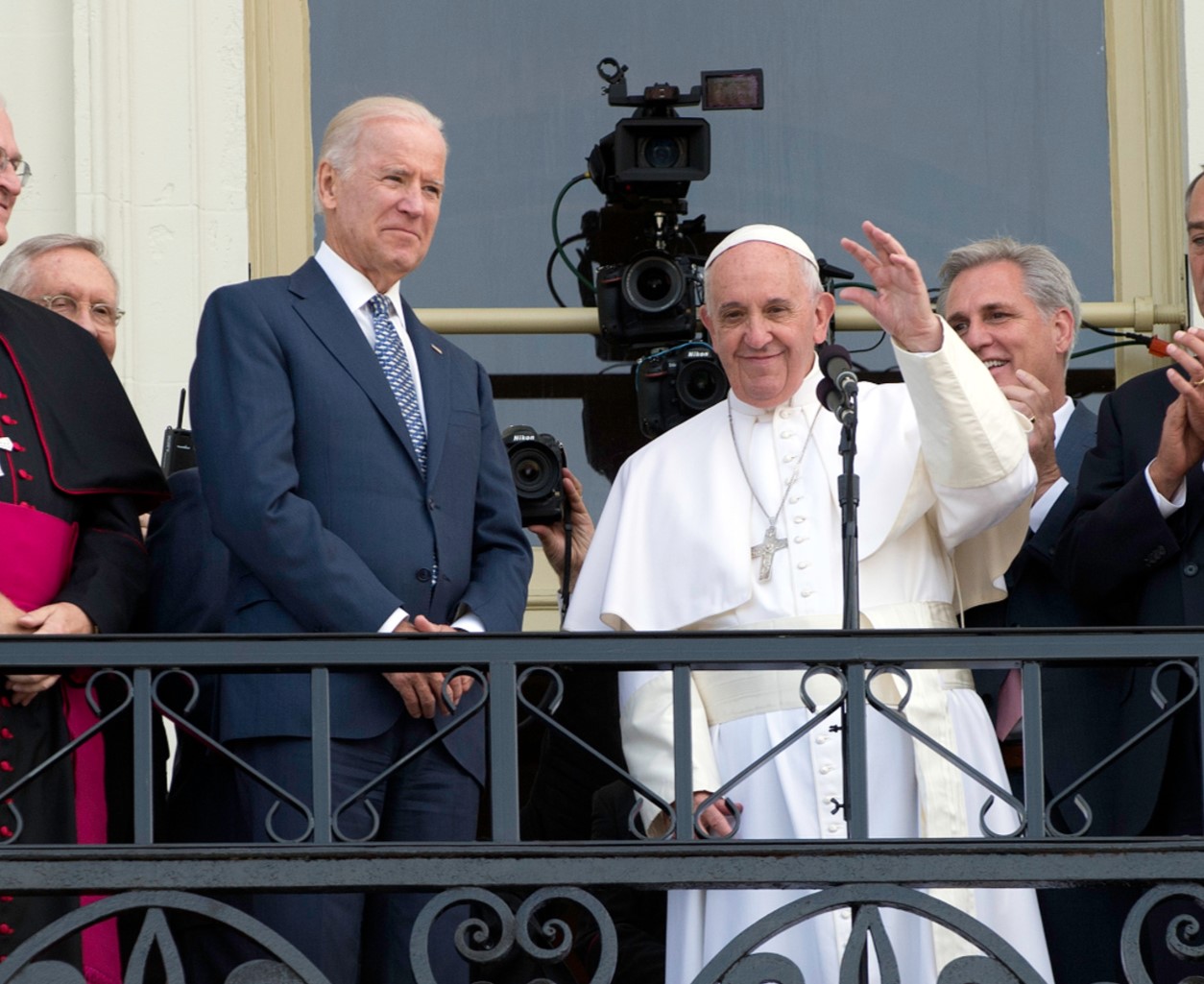
As Pope Francis wrote in Laudato Si’, the Earth “cries out to us because of the harm we have inflicted on her.” That cry is louder today – not just from rising seas or burning forests, but from policy choices made in full view of their consequences.
The Great Undoing
Let’s be clear about what has happened.
The Trump administration has not merely weakened environmental protections. It has redefined their purpose. Under the Trump administration, the mission of the Environmental Protection Agency (EPA) has been shifted away from safeguarding public health toward ballooning the profits of fossil fuel corporations.
The Administration has repealed dozens of major regulations that protected our air and water.
President Trump has withdrawn the United States from foundational global climate agreements, abandoning both leadership and accountability at a moment when international cooperation is essential.
The Administration has cancelled or clawed back clean energy investments that were already approved and underway. They stripped away billions of dollars meant to lower emissions, create jobs, and reduce costs for families. We must call this what this is: illegal.
And perhaps most dangerously, the Trump administration has targeted for repeal the scientific backbone of climate policy, the recognition that greenhouse gasses endanger public health, known as the Endangerment Finding. This opens the door to wholesale deregulation of greenhouse gases.
This is not policy drift. It is reckless policy direction.
 Fossil Fuels Over People
At every turn, the Administration has chosen fossil fuel expansion over human wellbeing. That is not hyperbole. The current EPA will no longer factor the value of lives lost or worsening asthma or heart disease when calculating the costs of air pollution. The agency has said it will instead focus on the economic costs to industry.
The agency is opening protected lands to drilling and mining, putting Arctic ecosystems and Indigenous communities at risk.
They are weakening fuel efficiency standards, rolling back pollution limits,and exposing entire coastlines to oil exploration – sometimes selectively, based on political convenience.
Meanwhile, they actively undermine clean energy, the fastest, growing sector in the global economy. Funding is slashed. Projects are delayed. Progress is stalled.
The result? Higher emissions, higher cost, fewer opportunities for American workers, and higher instances of disease and death.
Environmental Injustice, by Design
If this were only about carbon, it would already be unacceptable. But it is also about people, specifically communities and neighborhoods who have been historically targeted by big polluters.
Low-income communities, Black and Brown neighborhoods, and Indigenous populations—those already overburdened by pollution—are being asked to bear even more.
Meanwhile, the Administration dismantles environmental justice offices, curtails civil rights enforcement, reserves investments in vulnerable communities, and throws out protections against toxic chemicals like PFAS, exposing millions to increased cancer risk and long-term health harms.
This is not incidental. It is the predictable outcome of policy choices that prioritize corporate profit over human dignity.
The danger extends beyond pollution. The Administration is hollowing out disaster response capacity through cuts to FEMA and NOAA. They have pulled climate data from federal websites, leaving farmers without critical information. They’ve dismantled scientific institutions. In short, the guardrails are coming off.
At the exact moment when climate impacts are accelerating, when floods, fires, and storms are becoming more severe, this Administration is weakening our ability to respond. That is not just irresponsible. It is morally indefensible.
The Moral Reckoning
Catholic Social Teaching is unambiguous: care for creation is not optional. It is a requirement of our faith and a measure of our humanity.
What we are seeing today is a rejection of that responsibility.
It is a vision of the world in which we are, as Pope Francis warned, “lords and masters,” entitled to plunder without consequence. It is a politics that treats the Earth as expendable and the most vulnerable among us as collateral damage.
That vision is incompatible with justice.
Accountability is not just about naming harm. It is about demanding change. It means rejecting legislation that weakens bedrock environmental laws like the Clean Air Act, the Clean Water Act, or the National Environmental Policy Act.
It means defending investments in clean energy, environmental justice, and resilient infrastructure – not cutting them, as Congressional Republicans will attempt to do in the upcoming 2026 budget reconciliation bill. It means acting alongside communities on the frontlines of pollution and environmental harm, those who cannot afford another rollback, another delay, another broken promise. And it means remembering that policy choices are moral choices.
Earth Day is not a celebration of what it is. It is a call to what must be. We still have the tools. We still have the knowledge. We still have the capacity to act. But we do not have the luxury of pretending that this moment is normal.
Because it isn’t.
This is a test – of our values, our courage, and our willingness to hold power accountable when it fails to protect what matters most. The Earth is crying out. The question is whether we will answer.
 Drake Palmer Starling is Senior Government Relations Advocate at NETWORK.