

Category Archives: Voting and Democracy

Witness of John Lewis Rallies People of Faith on Voting Rights

Witness of John Lewis Rallies People of Faith on Voting Rights

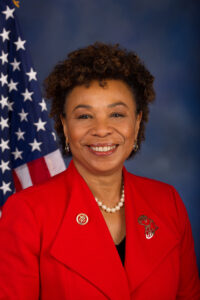
Congresswoman Barbara Lee
February 1, 2022

This summer will mark two years since the death of Congressman John Lewis. But as we in the House watch the Senate’s failure to advance the voting rights measure that bears his name, the truth is that we are on the brink of losing so much more than Lewis himself: the monumental legacy and instructions to each of us that he left behind.

Congresswoman Barbara Lee has served in the U.S. House of Representatives since 1998 and represents California’s 13th district.

John Lewis was a person of deep faith. From being drawn into the Civil Rights movement as a young man by the witness of the Rev. Dr. Martin Luther King to his leading annual pilgrimages to the Deep South for members of Congress, he saw Civil Rights through the lens of the values of his deeply-held Baptist faith and as a natural outgrowth of it.

When Lewis – then 25 – was beaten by Alabama state troopers while taking part in the March 7, 1965 march across the Edmund Pettus Bridge in Selma, he had two books in his knapsack. One of them was the autobiography of Thomas Merton, the influential Trappist monk and author. In his 2015 address to Congress, Pope Francis named Merton, along with Dorothy Day, Abraham Lincoln, and Dr. Martin Luther King Jr., as “Great Americans” to emulate.

The implications are clear. The struggle for racial justice, and especially the struggle for voting rights, is one that people from all backgrounds, whether Catholic or Protestant, religious or secular, regard as integral to human life and dignity. There is a sacred quality to such a right, as John Lewis often reminded us, and people of goodwill have a moral responsibility to ensure that public policy enshrines these rights and builds up the common good.

That is why it was a blow to the legacy of John Lewis, Dr. King, and civil rights overall when the U.S. Supreme Court gutted the 1965 Voting Rights Act in their 2013 Shelby County v. Holder decision. In her scathing dissent, Justice Ruth Bader Ginsburg – another giant we sorely miss today – noted that eliminating the effective voting rights protections of that law was “like throwing away your umbrella in a rainstorm because you are not getting wet.”

That storm has intensified into a gale that has wrought destruction on democracy in 19 states, as GOP-controlled legislatures have enacted brazen new restrictions on voting. These measures have already been shown to disproportionately disenfranchise Black and Brown voters and, unless rectified by federal law, will silence the voices of countless people in future elections. John Lewis would not be surprised, but he would also be resolved.

The time during which I had the honor to serve with John Lewis in the House remain a treasured gift. His legacy and his wisdom guided me then, and we should heed his witness now and draw on it for courage and strength. He reminds us of the importance of the rule of law and the essential participatory nature of democracy. I’ve gone on several civil rights pilgrimages to Selma, Montgomery, and Birmingham with young people from the Martin Luther King Freedom Center in my district in Oakland, California. Congressman Lewis spent time with them and encouraged and inspired them to participate in civic engagement and make “good trouble.”

We are free not to get involved, should we so choose. But that decision carries a heavy cost. John Lewis got involved, courageously pursued justice, and paid the price with his blood and his freedom. His struggle for voting rights was bruising, one that left a mark. John Lewis bore those marks on his body and his ensuing 34 years of service in Congress were a witness to his values. Now, we are all called to honor his legacy and protect voting rights to ensure his struggle was not in vain.

Barbara Lee has served in the U.S. House of Representatives since 1998 and represents California’s 13th district.

Our Voting Rights Encounter: Sisters’ Prophetic Role in Ensuring the Health of Democracy

Our Voting Rights Encounter: Sisters’ Prophetic Role in Ensuring the Health of Democracy

Sr. Karen Berry, OSF
January 19, 2022

I have never felt that being a member of a Franciscan community and being a citizen of the U.S. were separate things. For instance, I have been working at polling places on election days for the past 21 years. But it was only in November of 2020 that I have ever experienced anger and hostility and mistrust of the voting procedures. I have very real fears for the future of our democracy.

My activism in seeking the passage of a voting rights bill is one more way I am trying to take a stand for equality, dignity, and fairness, and I am so proud that thousands of women religious around the country are in solidarity with this issue.

Being an introvert by nature, it isn’t comfortable for me to engage in the public square. However, I have learned that when values I hold deeply are being threatened, or when my country or my church are being less that I know they can be, I am willing to stand up, to speak, to write, to commit to whatever it takes to nudge civic and religious institutions in the direction of values Jesus and other religious leaders taught and lived.

Last summer, NETWORK reached out to Sisters around the country, asking them to sign a letter addressed to President Biden and Senate Majority Leader Chuck Schumer. The letter requested swift passage of the For the People Act to secure voting rights for all Americans. Over 3,600 Sisters signed it, and it was delivered in Washington on July 26. At that time, NETWORK also asked if I would be able to gather a representative group of Sisters in Tucson to present a copy of this letter, with all of its signatures, to our U.S. Senators’ offices in Tucson.

The Tucson Sisters who accompanied me were Franciscan Sisters Joneen Keuler (Wisconsin) and Carolyn Nicolai (New York), and Sr. Eileen Mahoney of the Congregation of St. Agnes from Wisconsin. All are longtime residents of Tucson, ministering in a variety of roles.

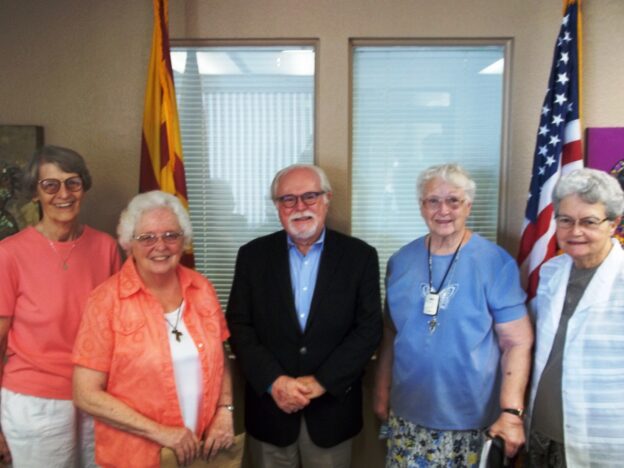
Sr. Joneen Kueler, OSF, Sr. Karen Berry, OSF, Sr. Carolyn Nicolai, OSF, and Sr. Eileen
Mahoney, CSA, meet with Ron Barber of Senator Mark Kelly’s office on August 6, 2021, to voice their support for voting rights legislation. Courtesy photo

We chose Friday, August 6, as our delivery date, not only because it was the 56th anniversary of the signing of the Voting Rights Act, which has been weakened through the federal courts and still faces attacks today, but also because it is the feast of the Transfiguration. We also knew that on that Friday morning we would be in solidarity with Sisters from West Virginia who were delivering the letter to the office of Senator Joe Manchin.

We were able to secure a time with the staff of Senator Mark Kelly, but Senator Sinema’s staff was unable to meet with us. Ron Barber, former Congressman and now a staff member for Senator Kelly, agreed to represent the Senator to receive the letter from us. Ron, a Catholic, had been seriously wounded along with Congresswoman Gabby Giffords — Senator Kelly’s wife — when they were shot in Tucson during a “meet your Congresswoman” event in 2011.

When we presented the letter, we offered a blessing prayer, and all in attendance joined in. I remember the warm welcome and the enthusiastic response when we asked the staff to join us in prayer. I felt profoundly moved by the sense of being unified with members of religious communities all across our country and also moved by the dedicated political staff praying with us.

We were deeply motivated to encourage the passing of a bill so greatly needed.

The letter stated: “Every voice and every vote is sacred.” It affirmed the need for the reforms written into the bill, stating, “The ‘For the People Act’ protects the vote from attacks and from those who seek to suppress it.” It has been disappointing that the For the People Act didn’t pass. We still have hope that its successor, the Freedom to Vote Act, will pass soon.

Religious communities have an important prophetic role in our world today. Just as the prophets of the past challenged religious leaders and kings, so members of religious communities today are called to awaken the consciences of the people in our church and in our nation.

Sr. Karen Berry, OSF is a Sister of St. Francis of Mary Immaculate. She lives in Tucson, Arizona.

Christians Should Honor Dr. King With United Witness on Voting Rights

Christians Should Honor Dr. King With United Witness on Voting Rights

Minister Christian Watkins
January 17, 2022

With Rev. Dr. Martin Luther King Jr.’s son calling for “No celebration without legislation,” the milestone of Dr. Martin Luther King Jr. Day resonates differently this year. Never in recent memory have voting rights been so hotly at the center of our country’s policy debate. The Senate has a historic opportunity to restore our democracy and protect our right to vote by passing the Freedom to Vote Act, and the John Lewis Voting Rights Advancement Act, which have now been combined into one bill, H.R.5746. We need immediate action to protect our democracy.

In his 1957 speech “Give Us the Ballot,” Rev. Dr. Martin Luther King, Jr. called the denial of the sacred right to vote “a tragic betrayal of the highest mandates of our democratic tradition.” With the passage of 34 laws restricting access to voting in 19 states across the country last year, this tragic betrayal is becoming a reality.

In the Senate, the filibuster has been used to block popular bills to stop lynching, end poll taxes, and fight workplace discrimination. The weaponization of the filibuster is racism cloaked in procedure. Now, this Jim Crow-relic is being used to block crucial voting rights protections. Today, Dr. King’s family is joining with faith leaders, civil rights leaders, and voting rights advocates to call on the Senate to end the filibuster and deliver on legislation that protects the right to vote.

This is a crucial moment for people of faith to come together around this issue, and it couldn’t be more apt. January 18-25 is the Week of Prayer for Christian Unity, an annual observance among Christians who want to see their collective witness in the world live up to the prayer of Jesus in John’s Gospel, “that they all may be one” (John 17:21). For over a century, this has primarily taken the form of theologians gathering to dialogue about issues that divide one church denomination from another — and in many cases finding commonalities and ways to bridge these divides.

But equally important is the pursuit Christian unity through what some call a “dialogue of service,” a shared witness to build up the common good. The commitment to upholding human dignity through the right to vote – and, , the election of leaders who will enact policies that build up the common good as Dr. King rightly pointed out – is something that should draw Christians across denominational lines very close together. Indeed, simply collaborating with my coworkers at NETWORK finds me, a United Methodist, working alongside a Catholic Sister and Presbyterian organizer to push Congress to protect the right to vote.

Now is the time to pass the H.R. 5746, the Freedom to Vote: John R. Lewis Act, a transformative piece of legislation that sets national standards to increase access to the ballot box, neutralizes partisan and racial gerrymandering, protects our elections from interference, increases transparency in campaign finance to prevent dark money from buying our politicians, and more. Unfortunately, this bill is at risk of being blocked by the filibuster. These anti-democratic efforts cannot be allowed to sabotage passage of robust voting rights legislation.

NETWORK and 3,500 Catholic Sisters Call for Immediate Action on Voting Rights

NETWORK and 3,500 Catholic Sisters Call for Immediate Action on Voting Rights

Sr. Quincy Howard, OP
January 13, 2022

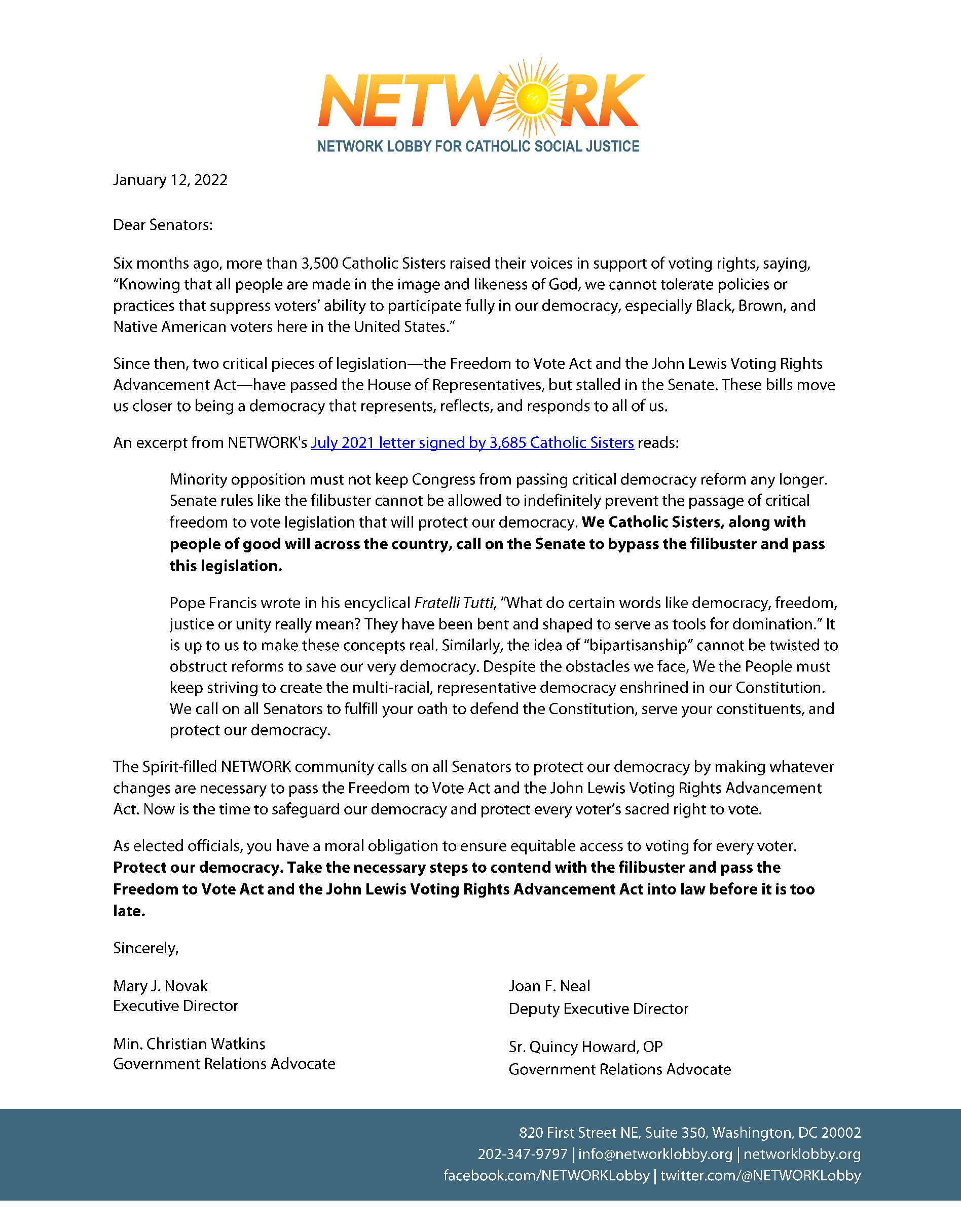
Today, NETWORK Executive Director Mary J. Novak, Deputy Executive Director Joan F. Neal, Government Relations Advocate Minister Christian Watkins, and I sent an urgent letter to all members of the U.S. Senate calling on them to support the passage of H.R. 5746, the Freedom to Vote: John R. Lewis Act.

This message to the Senate follows the House’s 220 – 203 vote to send the Freedom to Vote: John R. Lewis Act to the Senate for urgent consideration. While Senate Majority Leader Chuck Schumer is now able to circumvent the filibuster to hold debate on this legislation, as he wrote in a recent letter to Democratic Senators, “to ultimately end debate and pass the voting rights legislation, we will need 10 Republicans to join us—which we know from past experience will not happen—or we will need to change the Senate rules as has been done many times before.”

Quoting a previous letter signed by 3,500 Catholic Sisters, we urge all Senators to take the necessary steps to contend with the filibuster and pass the Freedom to Vote Act and the John Lewis Voting Rights Advancement Act into law before it is too late. 

As the Sisters wrote in July 2021, “Minority opposition must not keep Congress from passing critical democracy reform any longer. Senate rules like the filibuster cannot be allowed to indefinitely prevent the passage of critical freedom to vote legislation that will protect our democracy.

We know that the possibility to create a more just society ultimately rests upon the health of our democracy and the freedom of all voters to cast their ballots and have them counted. We are staunch supporters the Freedom to Vote Act and the John Lewis Voting Rights Advancement Act and applaud recent efforts to force debate on these bills.

Now is the time to safeguard our democracy and protect every voter’s sacred right to vote.

Read the text of NETWORK’s letter here. 

Why Catholics Should Be Actively Engaged in Efforts to Protect Our Democracy

Why Catholics Should Be Actively Engaged in Efforts to Protect Our Democracy

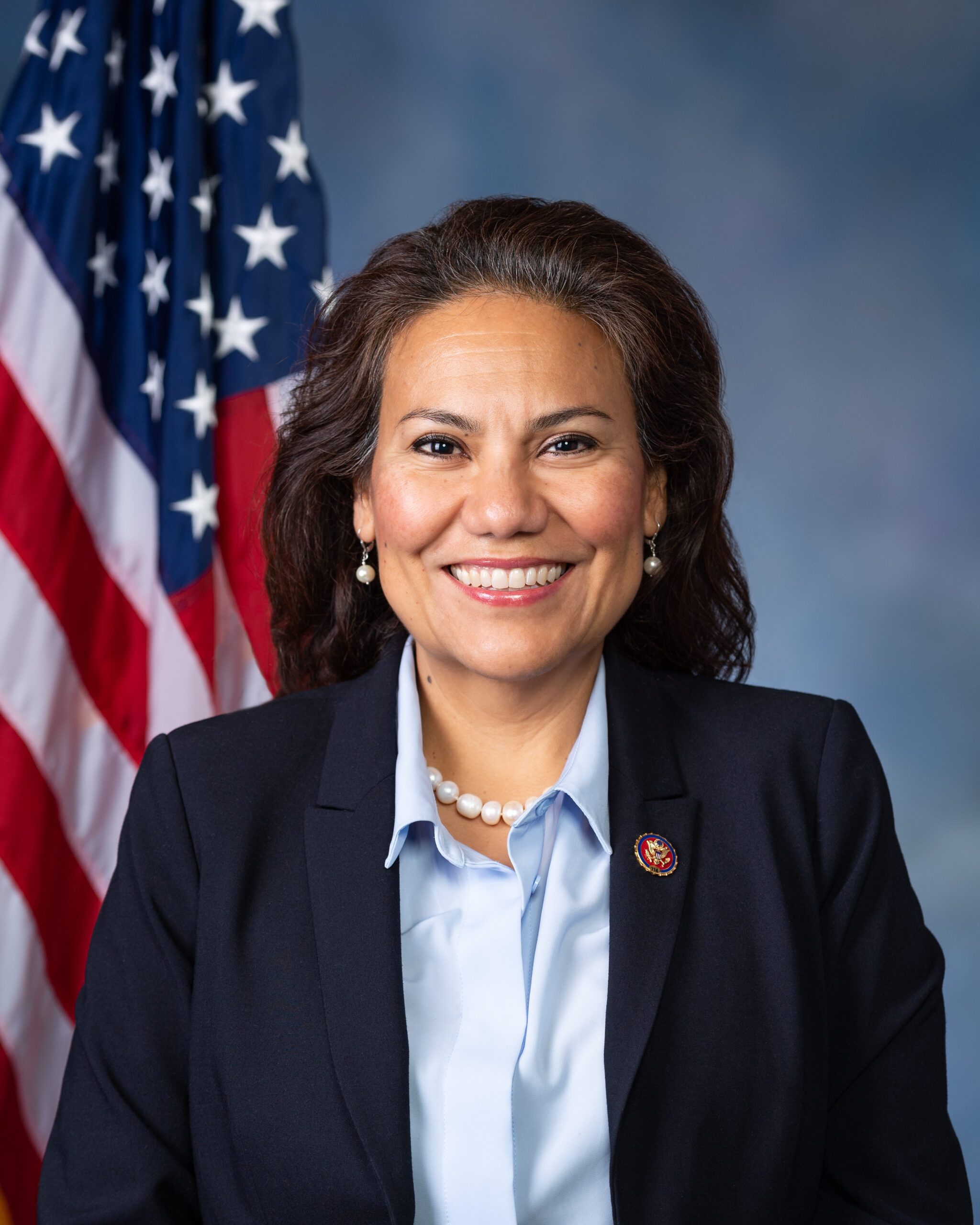
Congresswoman Veronica Escobar
January 6, 2022

Rep. Veronica Escobar represents Texas’ 16th Congressional District. She took office on January 3, 2019, making history as the first woman elected to this seat. This reflection appears in the First Quarter 2022 issue of Connection magazine, NETWORK’s official member publication.

When Catholics think about how they can live out the values of their faith through their politics, protecting their democracy is probably not the first thing that comes to mind. But it should be. Not only does the church support democracy as the form of government best suited to guarantee the protection and flourishing of all people, but people of goodwill have the responsibility to exercise solidarity toward those on the periphery who become the most vulnerable when democracy comes under threat.

Some threats are easier to see. On January 6, 2021, our nation and the world witnessed the most direct assault on U.S. democracy in our history: violent insurgents storming the U.S.

Capitol in an effort to stop me and my colleagues from certifying the 2020 presidential election. Not only were the insurgents trying to upend a Constitutionally mandated process, but they were trying to silence the voices of Black and Latino voters in places like Arizona and Georgia who decided the election for President Joe Biden.

The pushback from Republicans was swift and unmistakable.

Some 17 states, including my state of Texas, enacted restrictive voting laws that disproportionately burden voters of color and limit their access to the ballot box. In November, the Justice Department sued Texas, noting its strict limits on assisting voters at the polls burdens people with disabilities and limited English proficiency. This is just one example of why our country urgently needs the John Lewis Voting Rights Advancement Act and the For the People Act, both of which passed the House in 2021 but have languished in the Senate.

“Democracy is based on mutual respect, on the possibility that each person can contribute to the good of society and on the consideration that different opinions do not threaten the power and security of states, but through honest debate mutually enrich them and enable them to find more suitable solutions to pressing problems,” Pope Francis argued in early 2021.

Shutting people out of the voting process is no way to ensure honest debate, and it’s telling that the lawmakers most adamant on enshrining these restrictions into law are also the ones least serious about finding solutions to the pressing problems mentioned by the pope: climate change, mass migration, and unprecedented economic inequality. Those who benefit from these crises know very well that including the voices of marginalized people in these systems could reduce their power and influence, as it did in 2020.

And it’s this awareness that should galvanize the 70 million Catholics in the U.S. and all people of goodwill to fight alongside those who stand to be the most impacted by the erosion of our democracy. The House of Representatives is doing the work — we sent the John Lewis Voting Rights Advancement Act and the For the People Act to the Senate. We have been patient, we have been willing to work with the Senate, and even supported the Senate-authored Freedom to Vote Act as an alternative to our bills.

But we are running out of time. We must urge the Senate to work for the American people. Whether that means passing the For the People Act or the Freedom to Vote Act, the Senate must act now.

“If one part of the body suffers, then the whole body suffers with it,” St. Paul wrote (1 Cor 12:26). The same applies to threats to democracy. My district is over 83 percent Latino, and we know what it means to have destructive policies inflicted on our communities and families without them ever having a say.

A threat to one person’s voice is a threat to everyone’s. As Pope Francis has reminded us in his teachings on caring for the environment, we are all connected. Women have had the right to vote in this country for only a century, and the original Voting Rights Act passed in 1965 only to be gutted by the Supreme Court nearly 50 years later.

We must take seriously our responsibility to ensure that the rights of all, not just the wealthy and influential few, are protected equally. The Senate and President Biden must pick up where the House left off on voting rights. A democracy that ensures the participation of only the wealthy and powerful is not worthy of its name.


This story will be published in the upcoming First Quarter 2022 issue of Connection. Become a NETWORK member to receive a copy mailed to your home. 

The Time is Now

The Time is Now

Min. Christian Watkins
January 4, 2022

As we approach the one year anniversary of the January 6th insurrection, it is troubling to see that the quick passage of H.R.1 and the John Lewis Voting Rights Advancement Act in the House was followed by months of Republican obstruction in the Senate.

Despite month after month of aggressive and concerted attacks on voting rights and election administration by Republican state legislatures, the Senate has failed to respond by addressing the filibuster rule—the only remaining block to enacting critical protections.

The Freedom to Vote Act and John Lewis Voting Rights Advancement Act represent NETWORK’s top priorities: to protect our democratic institutions and to advance a transformative, once-in-a-generation investment in families and communities. The Build Back Better Act along with reforms in the Freedom to Vote Act and the John Lewis VRAA support families and protect the voices of those who have been systemically left behind in our economy and our democracy, particularly in the poor working class and in communities of color.

We urge Congress to take up continued negotiations on the Build Back Better bill and to take steps to pass the Freedom to Vote Act and the John Lewis VRAA immediately upon your return.

Founded by Catholic Sisters, we continue their legacy today by building a just society that ensures our people have what they need to live dignified lives. We know that a functioning democracy also reduces inequality, gives the most vulnerable a voice, and protects the God-given dignity of every voter.

Our nation—and the Senate—cannot successfully move into 2022 without a candid assessment of the legislative disappointment at the close of 2021. The failure of the Senate to pass protections for our democracy and voting rights was a worst-case scenario for advocates wanting meaningful solutions to the problems confronting us.

The threats to our democracy are real and present and, without needed protections, could mean that the January 6th insurrection was a precursor to worse attacks to come. We must invest in a better future for everyone and ensure that the foundation of our democratic institutions remains sound.

The time to act is now. NETWORK urges Congress to seize this pivotal opportunity to enact transformative legislation on behalf of working families and our democratic institutions across the United States. If not, we will squander this chance to build a stronger and more equitable nation where prosperity and power are shared, rather than hoarded by special interests and the privileged few. We call on you to act faithfully and with speed to pass these critical bills.

All I Want for Christmas is a Faithful Democracy

All I Want for Christmas is a Faithful Democracy

Sister Quincy Howard, OP
December 22, 2021

As some of you may know, there are swirling rumors about the possibility that voting rights could move as soon as the Senate returns in January. With that in mind, it is the right moment for us to pull no punches in urging the White House to push the Democratic Caucus to finally pass the Freedom to Vote Act and the John Lewis VRAA.

After the historical Senate floor address by Sen. Warnock earlier this month demanding action on voting rights, a very real energy is building among Senate Democrats.  The timing of consideration between Build Back Better and voting rights bill has been in flux in recent days, but there was a tangible pivot towards the latter with Manchin’s unexpected rejection of BBB negotiations on Fox News. It was a setback, for sure, but one that can be overcome.

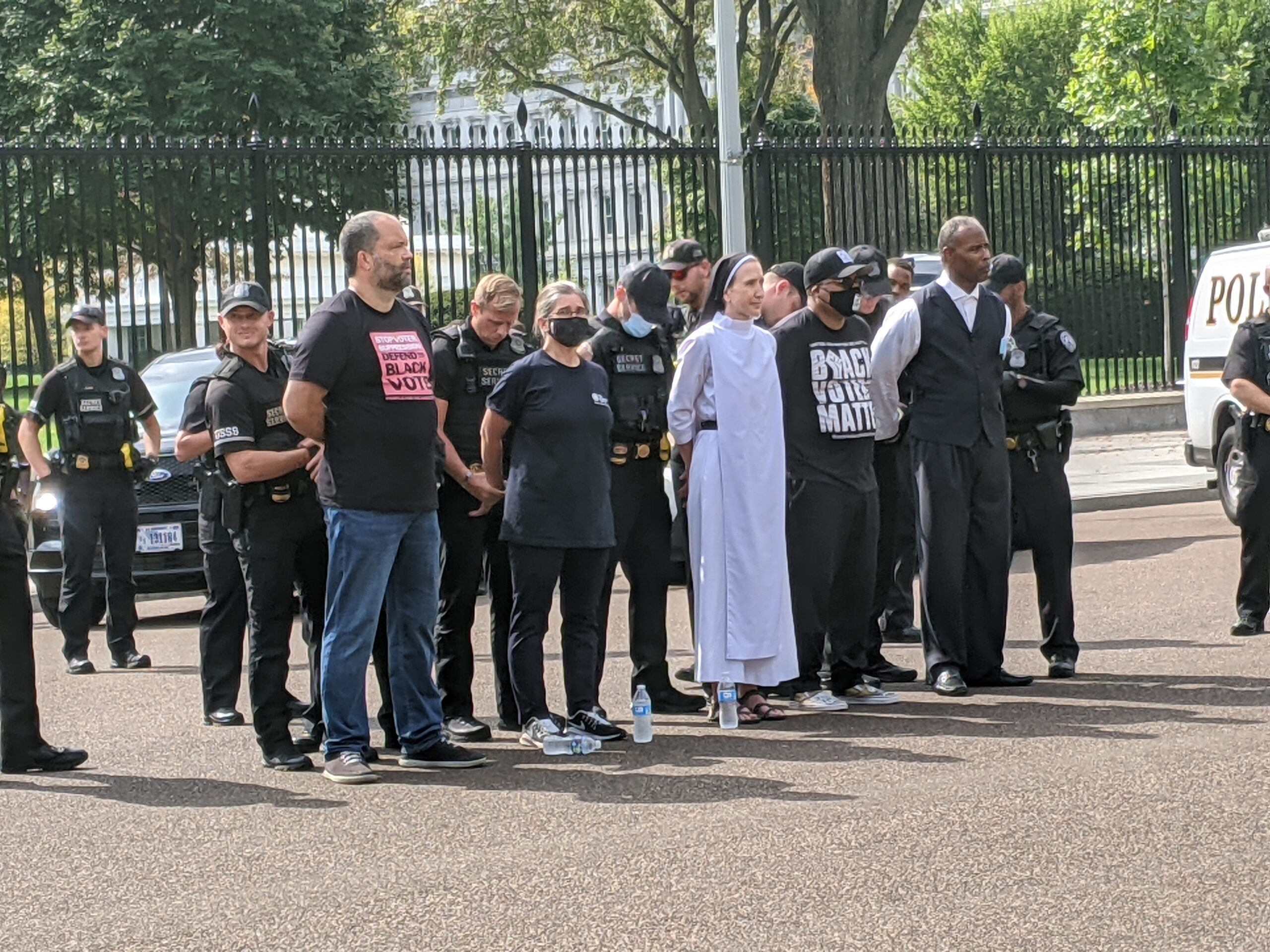
In the meantime, what we are seeing is a problematic lack of enthusiasm by the Biden Administration to meet the level of energy in the Senate move on voting rights. We know his influence on Democratic Senators is powerful.  I chose to get arrested in front of the White House and to write about the moral call to pass these bills because we know President Biden also cares and listens when the faith community weighs in clear and strong.

In a faithful democracy, elections, campaigns, and voting are all mechanisms for a collective wisdom to shape truly representative leadership and empower accountable decision-makers. This is the open-loop system that, at its best, brings about a more perfect union. Transformational reforms are needed now to get us there, and cannot wait for another election cycle to pass.

Hampering voter participation has become campaign strategy in Republican led states. Gerrymandered districts are being drawn to lock in power for another decade rather than reflect the will of constituents. Dark money is already flooding the airwaves and internet with campaign attack ads and fear-mongering half-truths. All the while, a coordinated misinformation campaign is dangerously undermining voters’ trust in elections.

Leader Schumer has announced his intent to consider these bills as the first order of business in January—and to reform the filibuster rule if needed to have the debate and a vote. The White House must match his determination by encouraging the Senate Democrats to move on voting rights and adjust their rules as needed, even as they continue negotiating Build Back Better.

For now, make sure you stay updated with NETWORK here.

We look forward to what I hope is the final push to passage in the New Year and to welcoming Rev. Christian Watkins into the voting rights struggle on behalf of NETWORK. Take this holiday to rest so that you, too, will be ready to engage anew when the time is right.

Sincerely,

Sr. Quincy Howard, OP

John Lewis Voting Rights Advancement Act

Passing the John Lewis Voting Rights Advancement Act Cannot Wait

Julia Morris
November 17, 2021

Rep. John Lewis died over a year ago, in the midst of his passing senators and representatives from both sides of the aisle shared kind words about him and honoring his legacy. However, sentiment does not seem to align with congressional action.

On three occasions in the past month, Senate Republicans have blocked discussing the John Lewis Voting Rights Advancement Act (H.R.4).

What’s in the John Lewis Voting Rights Advancement Act?

  • The John Lewis Voting Rights Act (VRAA) would restore the full power and protections of the 1965 Voting Rights Act.
  • In 2013, in the disastrous Shelby County v. Holder decision, the Supreme Court struck down the pre-clearance provision of the Voting Rights Act. This provision required states with a history of enacting racist anti-voter laws to get pre-clearance from the Department of Justice before their state’s election laws could be changed.
  • This bill would restore the pre-clearance provision of the Voting Rights Act and hopefully expand the list of covered states.
  • This would prevent future discriminatory laws from being allowed on the books — like we are seeing proliferate across the country now.

Suppression tactics to hamper voter participation have become campaign strategy. Gerrymandered districts reflect the needs of the party in power, not the constituents. It is often impossible to know the sources of campaign attacks and fear-mongering half-truths. While these weaknesses were on full display, a coordinated misinformation campaign by the loser’s party is dangerously undermining voters’ trust in elections.

In a faithful democracy, elections, campaigns, and voting are all mechanisms for a collective wisdom to break through which shapes truly representative leadership and empowers accountable decision-makers. This is the open-loop system that, at its best, brings about a more perfect union. Transformational reforms are needed to get us there, and they cannot wait another election cycle.

Protecting Our Democracy and Ensuring Fair Elections

Protecting Our Democracy and Ensuring Fair Elections

Sr. Quincy Howard, OP
October 15, 2021

Last week, I participated in civil disobedience in front of the White House — and spent the night in jail — to draw attention to how critical it is that we pass legislation to make the promise of our democracy real. What is it that makes this moment so important? Watch my conversation with NETWORK Deputy Executive Director Joan Neal to learn more.

This summer, NETWORK justice-seekers raised their voices and took action to strengthen our freedom to vote at rallies, vigils, farmers markets, and even the zoo. Under the banner of “Team Democracy,” hundreds of justice-seekers across the country called on Congress to support legislation that protects the freedom to vote. Meanwhile, thousands of Catholic Sisters signed onto a letter to Senator Schumer telling him not to let minority opposition prevent the Senate passing democracy legislation any longer.

We expect the Senate to vote on the Freedom to Vote Act next week. Will you call your Senators today to tell them that you support this urgently needed legislation?

Dial 888-885-1748. When you call, be sure to introduce yourself and say:

 “I’m asking the Senator to support the passage of S.2747, the Freedom to Vote Act to protect the right to vote and save our democracy.”

Call twice to reach both of your Senators’ offices!

Arizona ‘Ballot Review’ Demonstrates Why We Must Protect the Freedom to Vote

Arizona ‘Ballot Review’ Demonstrates Why We Must Protect the Freedom to Vote

Sister Quincy Howard, OP
September 24, 2021

Today we saw the end of a costly, partisan, and unreliable review of Arizona’s Maricopa Country ballots. Shortly after the 2020 election, this nearly $6 million ballot review was initiated by a small number of partisan extremists over the objections of the Republican-led county leadership. Repercussions and anti-voter initiatives like this one might be the single most insidious tactic to undermine voter confidence growing out of the 2020 election.

According to the Washington Post, “the Florida-based firm that led the review, Cyber Ninjas, had never before been involved in administering an election or recount” and “by May, all of Maricopa’s seven elected officials — including five Republicans — joined to demand the Senate put an end to the review, calling it a ‘con’ and a ‘sham.’”

We know that states often serve as laboratories to innovate and improve our democratic systems. For example, Colorado’s experience with vote-by-mail systems provided tips and best practices for states across the nation conducting elections last winter in the midst of a deadly pandemic.  Sadly, states can also serve as laboratories for sabotage, which is what we’re seeing in Arizona—and other states like Georgia and Wisconsin are watching closely to see if this shameless power-grab will work.

This was a partisan attempt to cast doubt on our elections. Proper election reviews are 1) fully transparent and fully observable; 2) have proper procedures in advance; 3) conducted by bipartisan teams; maintain the integrity of voting machines and ballots; and maintain chain of custody of ballots throughout. It has been widely documented that none of these critical procedures and guidelines are being followed in the sham election reviews.

This is another example of the GOP dividing and distracting the people while undermining trust in our elections. The entire endeavor was birthed and conducted based on the “Big Lie” (that the Arizona and the presidential election was stolen). The operation conducted by Cyber Ninjas has been illegitimate from its original rationale rooted in the lie of voter fraud to its financing by mysterious dark money sources to the contractor, an obscure Florida tech company with hard partisan leanings and no prior elections experience.

Some politicians want to pick and choose which votes to count to decide the results of elections for themselves. The Arizona operation has made clear that our democracy needs additional protections to ensure that trusted local election officials count every vote—that the results of elections are held sacred and protected from partisan manipulation. The Freedom to Vote Act—the newly-introduced bill that would ensure fair representation and make the promise of democracy real for us all—has adds needed protections to the transformative reforms included in S.1 the For the People Act.

Whatever our color, background or zip code, in the United States we value our freedom and the right to vote. The freedom to have a say in decisions that impact our lives—from curbing the pandemic to creating jobs to making health care affordable. But right now, the same faction that spread lies about COVID and election, and fueled the deadly attack on our Capitol are trying to block the Freedom to Vote Act, which U.S. voters support by huge margins across race, place, and political ideology.

NETWORK and our advocates are demanding that our leaders exercise their majority and pass the Freedom To Vote Act. It would set national standards for safely and freely casting our ballots, ensure that trusted local election officials count every vote, and prevent state lawmakers from sabotaging our elections in order to take and hold power. The Freedom to Vote Act is a critical step to ensure that, in our elections, the will of the people prevails.

——————————————————————————————-

Take Action: Call Your Senator Now! Tell Them to Vote YES on S.2747, the Freedom to Vote Act

The Freedom to Vote Act is an important step to protect the sacred right to vote after months of delay and obstruction. The Freedom to Vote Act contains the main pillars of the For the People Act, including protecting the right to vote, ending partisan gerrymandering, and decreasing the power of big moneyed special interests. Call 888-885-1748 to be connected to your Senators. (Call twice to be connected to both Senate offices.)