

Category Archives: Front Page

Attending the White Privilege Conference

Attending the White Privilege Conference

Alannah Boyle
March 28, 2019

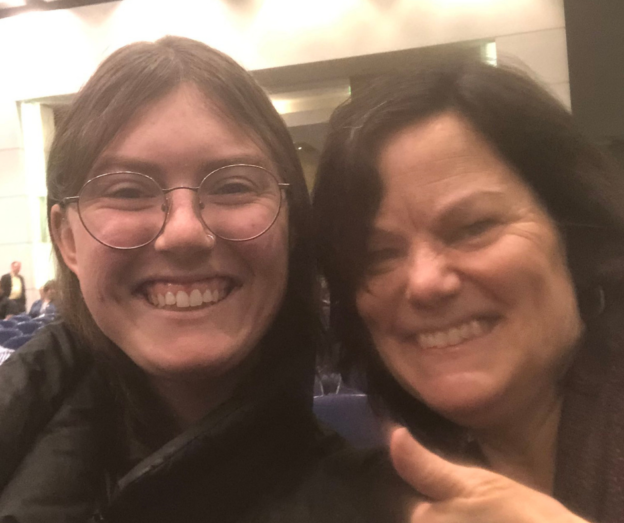
This past week, my colleague Laura Peralta-Schulte and I had the opportunity to travel to Cedar Rapids, Iowa and represent NETWORK at the 20th annual White Privilege Conference. This conference was founded to examine the ideas of privilege and oppression and create space to work towards building strategies for a more equitable world.

For those of you participating in our Lenten reflection guide, you know that this Lent we are Recommitting to Racial Justice. The past two weeks, the reflections in the guide have been produced from our educational workshop on the racial wealth and income gap. We examine 12 federal policies and reflect on the ways in which each policy worked in order to create and perpetuate the racial wealth gap that exists today. Laura and I facilitated this workshop to over 50 other attendees. The reception was overwhelmingly positive. It is always exciting to spread the good work that NETWORK is doing to new audiences.

This was the second year that NETWORK staff have attended this conference. The presentations we attended ranged on topics from compassion as anti-oppression work, to the intersections of patriarchy and white supremacy, to embodied racial justice. Laura and I attended different presentations each session with the goal of gathering as much information in those four days as possible to bring back to the rest of our NETWORK community.

As I work to put my reactions into words for this blog, my thoughts and feelings after attending this conference, I am realizing the ways in which I am very much still processing the experience and all of the wisdom and expertise that was shared with me as a white person. I am deeply grateful for the opportunity to attend this conference, and the ways in which NETWORK intentionally makes space for the ongoing work of racial justice amongst staff members.

Young, Scrappy, and Hungry for Immigration Reform

Young, Scrappy, and Hungry for Immigration Reform

José Arnulfo Cabrera
March 22, 2019

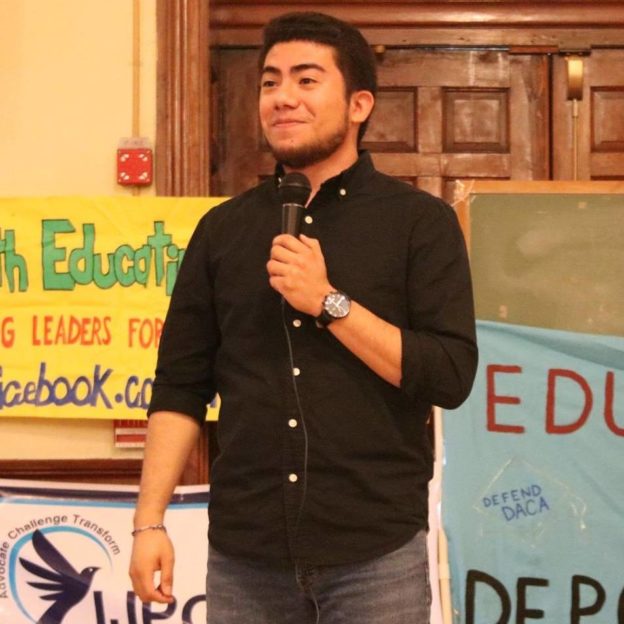
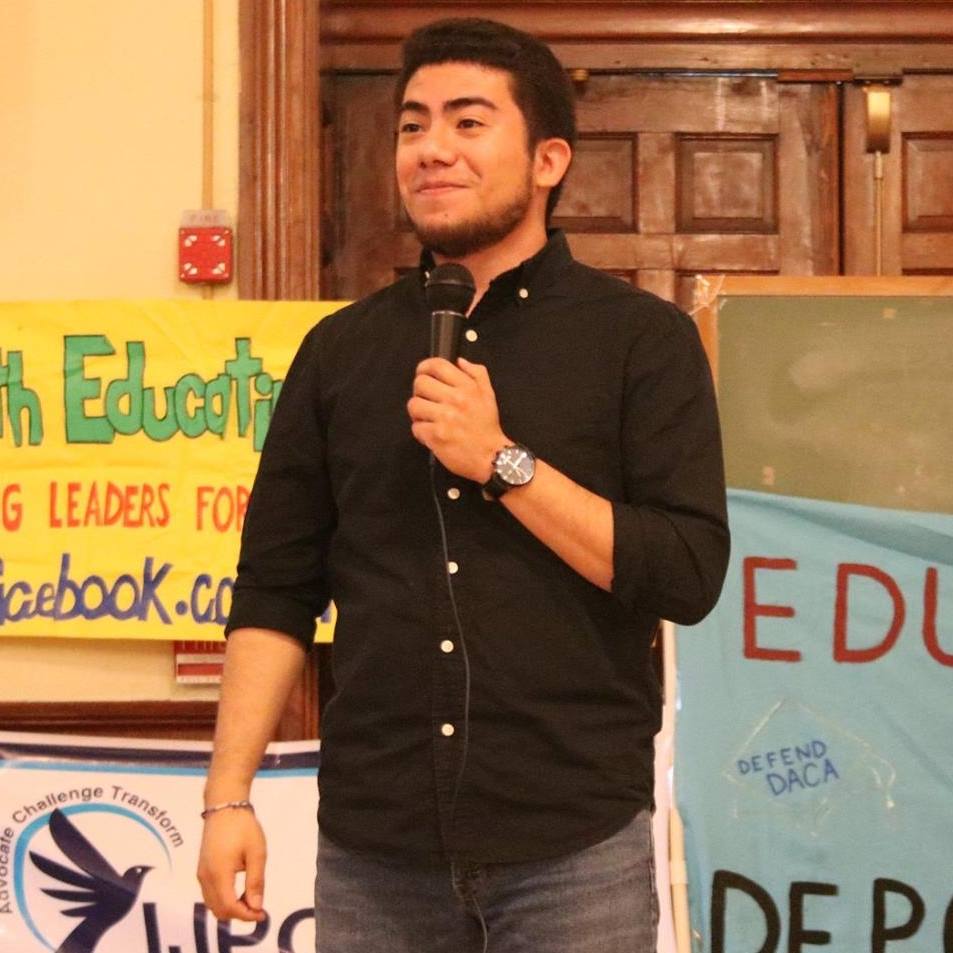
When I first was introduced to Hamilton, it was during the 2016 election. Every morning I listen to NPR to stay up to date on current news, but as I listened then to Trump’s growing support and then saw him win the Republican nomination, I felt my hope for this country fade away. So I switched to listening to Hamilton every morning. Listening to the musical spreads the notion that America is this great unfinished symphony — where an orphan immigrant can make a name for himself.

I’m obsessed with Hamilton because it’s the most beautiful underdog story I ever heard: about a kid who, his whole life, had to fight against an everlasting hurricane wanting to wash him away. In “Alexander Hamilton,” the cast sings, “The ship is in the harbor now. See if you can spot him. Another immigrant comin’ up from the bottom.” Who would have thought that someone in that crowd would be one of the founding fathers, the architect of the modern U.S., the architect of the financial powerhouse we are – who would create more things that outlived him and anyone else before him? I bet that’s what history will say of Dr. Alfredo Quiñones-Hinojosa (undocumented farmworker to internationally renowned neuroscientist and neurosurgeon), Rep. Ilhan Omar (MN-5), and us.

Both Dreamers and TPS holders are Americans in every way. You never find a shortage of these amazing stories of people who are defying the odds, because that’s how we were raised and how America raised us to be; to defy the odds. We had the tenacity to defy those who said we would never go to college, contribute to our country, or say we couldn’t pass a background check.

The musical shares that Alexander Hamilton wanted to create a system that truly allowed people like him to make a name for themselves in this unfinished symphony. That’s what the U.S. inspires people to be: a country where immigrants who come from nothing and are nothing, can work tirelessly to create systems that outlive them.

That’s why there’s no shortage of successful Dreamers and TPS holders, though that’s not the reality for all of them. When I was an organizer in Cincinnati, many of the Dreamers who I organized with weren’t able to go to college because of the everlasting hurricanes that are trying to wash us away.

For the majority of us, we didn’t see DACA coming, just deportation. The realities of being an undocumented youth are knowing that no matter how hard you worked in school, how impressive your GPA was, or how many scholarships to college you could collect; the moment you graduate you’ll watch your classmate get their dream jobs while you struggle to find a job because of your status. There were so many students – including me – who didn’t see the value of furthering their education.

I saw a lot of DACA recipients who didn’t have the impressive GPA to get into the big schools and get the scholarships. And those were the Dreamers who had the money to pay for their DACA. This status gave us financial liberty that made our families depend on us. Many of us had the most secure job in our household.

The DREAM-Promise Act, H.R. 6, is a good first step in truly making America an unfinished symphony. When this bill passes, so many people will finally get their pathway to citizenship. Trust me, with citizenship and passion of community organizers, America will have an overflow of underdog stories from Dreamers, TPS, and DED holders.

So much of what I’ve learned from Hamilton is what it means to leave a legacy:

“It’s planting seeds in a garden you never get to see
I wrote some notes at the beginning of a song someone will sing for me
America, you great unfinished symphony, you sent for me
You let me make a difference, a place where even orphan immigrants
Can leave their fingerprints and rise up”

H.R. 6 can be the 116th Congress’s legacy. This bill can be the legacy of all the organizations that are working for pro-immigration policy. Of all the immigration reform organizers. The legacy towards an immigration reform bill that will give a pathway to citizenship for 11 million undocumented immigrations. It’s our legacy.

The Gifts of Intentional Community

The Gifts of Intentional Community

Erin Sutherland
March 12, 2019

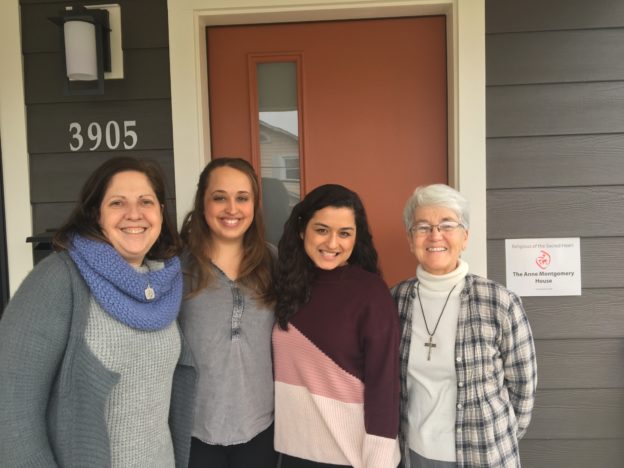
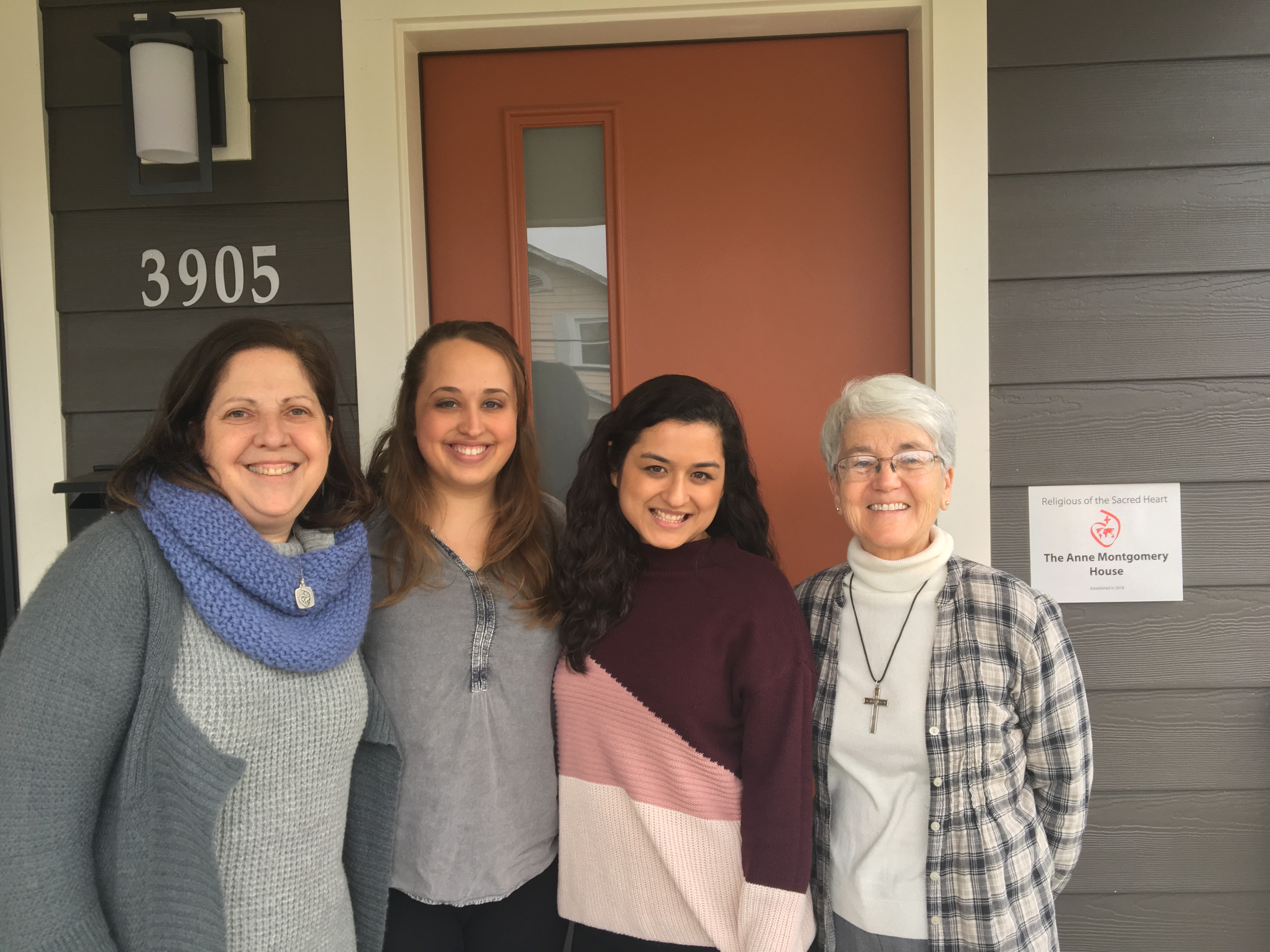
In conjunction with my year as a NETWORK Associate, I have been living in intentional community at the Anne Montgomery House organized by the Religious of the Sacred Heart (RSCJ).  Our community consists of two RSCJ sisters, one RSCJ Associate working at a local university, one woman working at a public policy and research organization, and me.  The five of us bring many different gifts to our community.  The RSCJs have guided us in prayer and reflection each morning and night, we all take turns making communal meals and sharing stories over the dinner table, and we bring our expertise from our work in social justice in the many workshops and community events we’ve held.  I knew living in community with Catholic sisters would be a unique opportunity, but I didn’t realize until months after moving in just what a gift I was being offered.  The values intentional community cultivates- respect for others, putting others before oneself, and service- are extremely valuable, especially for someone like me in a transitional stage of my life.

After undergrad, I moved to Panama to teach English at a university. There, I lived with a multigenerational host family who truly welcomed me as one of their own.  Growing up in a military family, I never lived close to my extended family, but in Panama, I was around my host parents’ children, grandchildren, sisters, brothers, and cousins on almost a daily basis.  My host family’s commitment to relationships was something I was really missing when I moved back to the States a year later, and that was what I was seeking most when I asked to be a part of Anne Montgomery House.

Grassroots Mobilization Associate Erin Sutherland with some of the Anne Montgomery House community.

My past few months here have truly been an answer to my prayers and have helped me grow as a woman in my faith.  It has been a joy to pray together in the quiet of each morning before I go to work.  It has meant the world to know that I have a supportive community who has my back as I go through the graduate school application process.  It has been healing to gather around the dinner table, all of us bursting with stories to tell from our days at work or distraught over the latest headline and find rapt conversation partners.  Instead of participating in the constant news cycle hysteria, my community members have helped remind me to slow down and turn my energy towards more fulfilling emotions.  But living in community is also about the choices one makes every day to live in love.  It has been challenging at times to support each other through times apart, sickness, and the busyness of our daily lives.  It is only through accepting and committing to each other on both carefree days and difficult ones that we are truly breaking open our hearts to allow the Divine to become the center of our actions.  I am so grateful to have been invited to live in community, and for the direction it has provided in living out my faith.

NETWORK Urges Representatives to Pass H.R.1

NETWORK Urges Representatives to Pass H.R.1

Colleen Ross
March 7, 2019

All signs point to the House of Representatives voting on the crucial H.R. 1 “For the People” bill tomorrow. In preparation for this vote, NETWORK sent a letter to all House offices encouraging members of the House to vote for H.R. 1.

Follow NETWORK on Twitter and Facebook for more updates on the vote tomorrow!

Sister Simone writes:

“Our Catholic faith teaches that we have a responsibility to participate in politics out of a concern for the common good. It was Pope Francis who—when asked about the Catholic obligation to participate in the civic arena—responded that “A good Catholic meddles in politics”.  At the core of NETWORK Lobby’s effectiveness as an advocacy organization is the ability to engage a broad membership around ideals of a just society.  This is how we influence legislators’ policy decisions.  Our work is predicated on a functional democracy where lawmakers are held accountable and constituents trust that they are taken into account…

NETWORK Lobby is urging Congress to support this bold, wide-ranging legislation. These reforms are desperately needed and overwhelmingly desired by the American people. Failure to pass the full reform package will only increase widespread suspicions and disillusionment among the electorate. As it stands, H.R.1 is solidly rooted in successful state efforts to breathe new life into our democracy. NETWORK urges quick passage to begin restoring faith in our government.”

Read the full letter here.

NETWORK also joined a letter of support for H.R. 1 authored by the “Faithful Democracy” coalition, signed by more than 25 faith-based advocates and congregations.

Find the interfaith letter here.

Exorbitant Drug Pricing: A Moral Issue

Exorbitant Drug Pricing: A Moral Issue

Siena Ruggeri
March 5, 2019

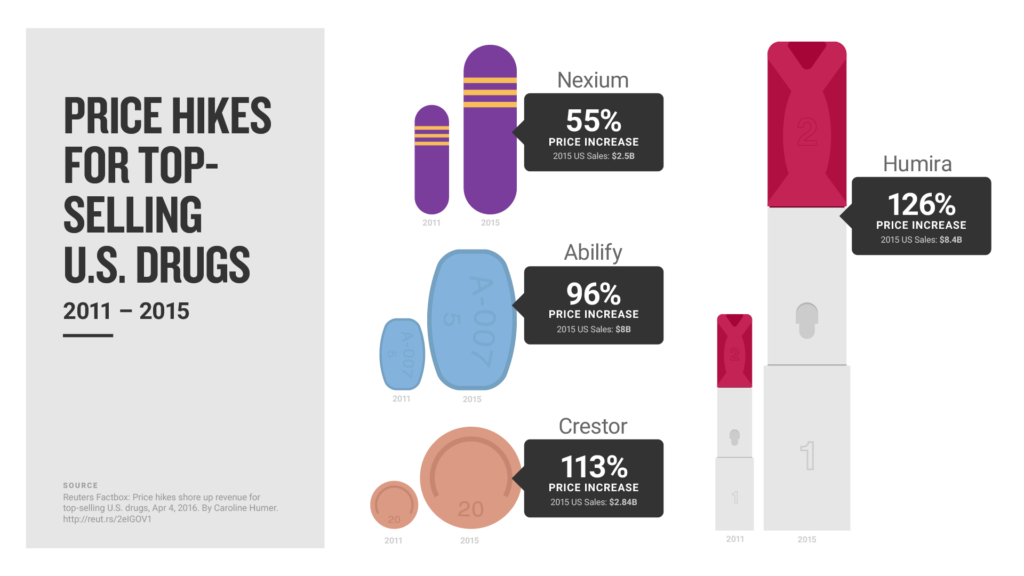
If the popular immunosuppressant Humira was a standalone company, it would be twice as big as the Hilton hotel chain and its sales would rival Southwest Airlines and Visa. How is this one drug so profitable? After rebates, the average price of the drug is $3,000 a month. The company that sells it, AbbVie, has made 115 billion in profit off the drug since 2010, and more than half of those profits come from the U.S.

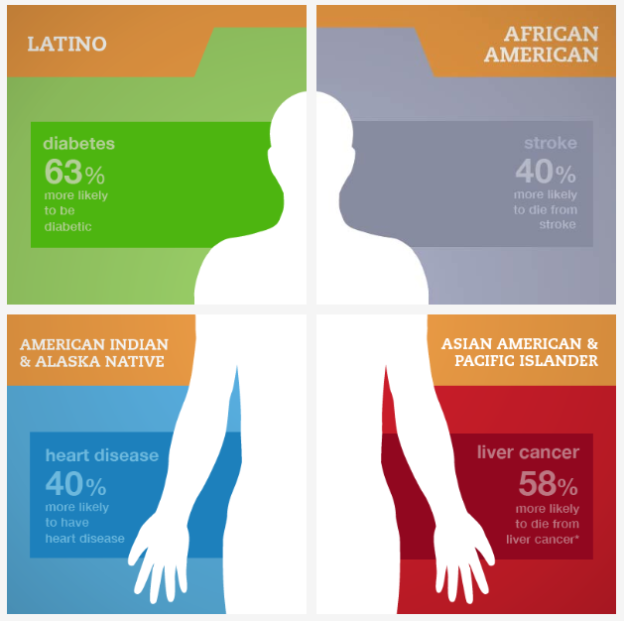
Insulin, a drug whose patent was created almost a century ago, is skyrocketing in price. Diabetics around the country are forced to choose between rationing life-saving medication, falling behind on rent and car payments, or going without food. The original developers of these drugs wanted their scientific innovation to serve the public good—so what gives?

In the status quo, there’s no incentive to sell drugs at a reasonable rate. Pharmaceutical companies can claim that in order to recoup the costs of research and development, they must have exclusive access to the market for their specific drug. While they have market exclusivity, the drug company is then able to gouge the price of their drug. There is no competitor to incentivize lower costs. There’s also no government scrutiny as to why the price is what it is. We don’t know why certain pharmaceutical drugs are priced the way they are. Therefore, we have no control if those prices start rising exponentially, and patients have no way of affording the only drug available to cure their condition.

What is one supposed to do if they have breast cancer, Hepatitis C, or multiple sclerosis and can’t afford their drugs? We use public dollars to fund research to prevent this exact problem. Public research money contributed to the 210 new drugs approved from 2010-2016, to the tune of $100 billion dollars. Unfortunately, drug makers have taken advantage of the public’s investment in research to strengthen their bottom line.


These practices are an insidious betrayal of public trust and morally wrong. In the richest country in the world, people lose their lives because they can’t afford their medicine. It’s also peculiar that in a so-called free market, we allow monopolists to fully control markets without consequence. The pharmaceutical industry has gamed every rule set in place for them. It is past time for them to face the consequences for the system they have engineered.

Many members of Congress shy away from drug pricing reforms, citing its complicated nature. Others believe the current injustices are based off a few bad actors, not a whole industry that puts profit over human lives. We can’t just point to the most shocking examples of price gouging that make headlines—we have to examine the system that encouraged drug companies to price hike in the first place.

For far too long, the pharmaceutical industry has profited off a public too intimidated to scrutinize their business practices. By directing our attention to examples like “pharma bro” Martin Shkreli, the industry is absolved of any accountability for how they price drugs. This isn’t a case of a few bad actors. This is a system that thrives on taking advantage of the vulnerability and desperation of patients in need of life-saving drugs.

The details of drug pricing reform are complex, but don’t let the pharmaceutical industry bamboozle us into thinking reform is unattainable. To give just one example, every other country in the world allows price negotiations. In the United States, the Department of Veteran’s Affairs negotiates drug prices for their patients. When put together, the proposals coming out of Congress are reasonable reforms. They allow Medicare to use its bargaining power to negotiate prices for its patients, penalize drug corporations that spike the price of a drug without justification, and prohibit abusive tactics used to delay a drug going generic.

There is bipartisan support for doing something about the cost of prescription drugs. This is not an issue we can put off. Every day we refuse to engage and take action, another person risks their life to go without medicine they need to survive. A new poll reveals that 3 out of 10 adults report not taking their medicines as prescribed at some point in the past year because of the cost. Diabetics are risking their lives and rationing their insulin—in fact, 1 out of 4 diabetics admit to doing so.

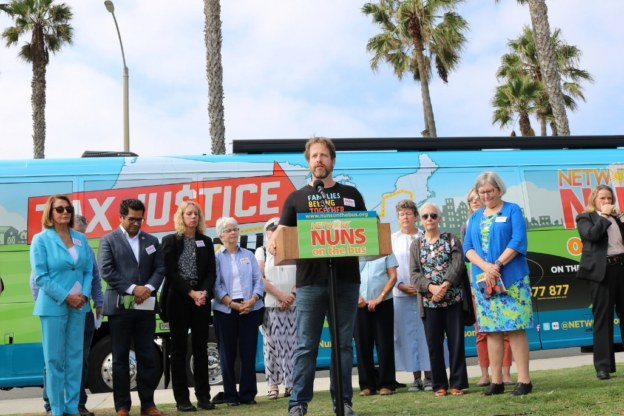
During our 2018 Nuns on the Bus Tour, we encountered the deadly consequences of this issue. In Savannah, we heard the story of Niema Ross, a young working mother of three who had died that weekend because she couldn’t afford the inhaler she needed to breathe. Niema’s final post on Facebook was a photo of her empty inhaler captioned with a message asking if anyone had access to more. The community tried to raise money for her medication, but it came too late. Niema was never able to get her inhaler, and now her three children will grow up without a mother.

The drug industry’s success in putting profit over people over profit is perhaps one of the most blatant moral issues of our time, and Congress has the power to do something about it. Let’s remind our representatives that now is the time to be morally courageous and end the absurdity that is our prescription drug industry.


***

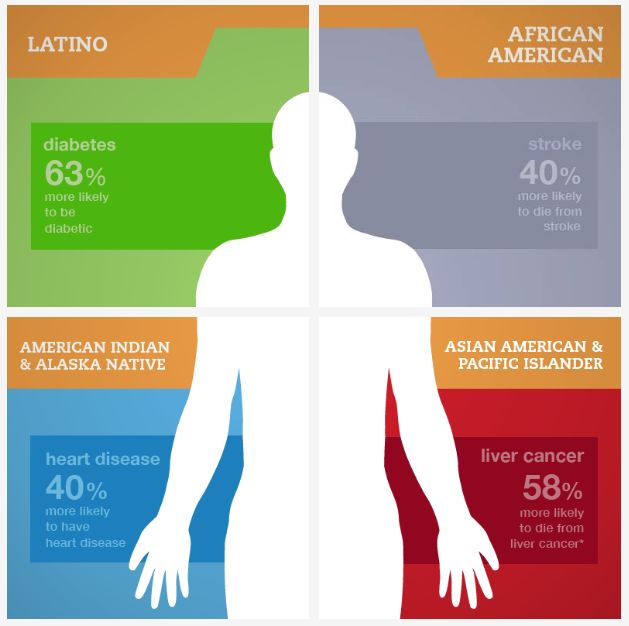
Graphic courtesy of Voices for Affordable Health

Finding Inspiration and Sharing Hope for the New Congress

Finding Inspiration and Sharing Hope for the New Congress

A Conversation with Representative Ayanna Pressley

Before Congresswoman Ayanna Pressley (MA-07) was sworn into the 116th Congress, we spoke with her about her hopes and expectations for the upcoming session. We look forward to the leadership Representative Pressley and other new members of Congress bring to Capitol Hill to advance policies that mend the gaps in our nation.

Connection: What are you looking forward to working on when the new Congress begins?

Representative Pressley: I intend to be an activist leader on all issues of consequence to the people I represent. People don’t live in checked boxes, they live in intersectionality, and are impacted by many different policies. During my campaign, I developed—in partnership with community—a wide ranging Equity Agenda, focused on addressing the persistent disparities in Massachusetts’ 7th District. One of the issues I called out was the epidemic of gun violence and trauma—I intend to make that a priority, and have already secured commitments from Democratic leadership to bring common sense gun control to the floor of the House, but I will also be a leader on issues like healthcare, environmental justice, and transportation equity—all of which are critical to my constituents.

Connection: How does your faith inspire your work as an elected official?

Rep. Pressley: I’m often asked about my political education, and while people tend to focus on the time I spent working for Congressman Joseph P. Kennedy II and Senator John Kerry, the truth is that the values that have informed my work as an elected official first took root as a child, when I attended Rain or Shine Baptist Church in Chicago, where my grandfather, Rev. James Echols, was the pastor. The values of inclusive leadership, empathy, and compassion, which are a through-line of my career in elected office, were first introduced to me in the Church, and I continue to carry them with me today as a woman of abiding faith.

Connection: How have you seen policies you’ve promoted in the past positively affect your constituents and our nation?

Rep. Pressley: One story that I believe is emblematic: when I ran for the Boston City Council, I ran on a platform of elevating the voices of women and girls. Sitting in my first school budget hearing after I was elected, I asked every department head who came before us how they policies they were proposing would impact girls—their answers were sparse at best. Now, eight years later, those department heads come to our budget hearings with binders full of information on how their policies will affect female students, about teen pregnancy, and push-out, and the school to prison pipeline. This progress only happened because someone asked the question. We must continue to ask the difficult questions that will lead to real progress.

Connection: When times are difficult, what keeps you motivated to continue working for the common good?

Rep. Pressley: I often begin my days with a verse from a book called The President’s Devotionals, by Joshua DuBois, which helps motivate me during more challenging times. One of my favorite affirmations from this book is entitled “a Gentle Battle.” To paraphrase, it says that each morning we awake to a gentle battle. Of all the negotiations and decisions of our day, this gentle battle is the most important. Will we go in the direction of worry, weariness, and indifference—or in the direction of joy, of peace, of equality and justice? Even through the most difficult times, I remain committed to the latter.

Connection: Do you have any advice for advocates inspired by their faith to engage in politics?

Rep. Pressley: I would say, simply, “do it”—our Democracy needs your voices. For our government to be truly representative, we need a diversity of passionate, committed voices around the table. If we want to see values like compassion, dignity, and social justice reflected in our public policy, then we need to invest the sweat equity necessary to elect activist leaders and hold them accountable. Change can’t wait, but it also won’t happen on its own; we need to work to create it.


***

This story originally appeared in the January 2019 issue of Connection Magazine. Read the full issue here.

Invitation to Congress: Marriage of TPS and DREAM

Invitation to Congress: Marriage of TPS and DREAM

José Arnulfo Cabrera
February 26, 2019

On February 12, Temporary Protected Status (TPS) holders took to the streets of Washington, D.C. demanding Congress to pass legislation that would give them a pathway to citizenship, after the Trump Administration pressured the Department of Homeland Security (DHS) to deny their document renewals. TPS holders who have been in the U.S. for years, some since 1990, all of sudden now face the potential reality of going back to their native countries or becoming undocumented.

Temporary Protected Status was first enacted by the Immigration Act of 1990, which reformed our immigration system. One of the many things the bill created was away for foreign nationals who couldn’t legally be defined as refugee or asylee (but without a doubt fleeing, reluctant to return, or unable to return to their home country due to violence) to attain legal status. TPS allowed individuals to be granted work authorization without being deported.  The first group to be granted TPS was Salvadoran nationals. As time went on more foreign nationals were granted status and now people from ten countries are eligible to receive TPS.

For almost 29 years, TPS holders have been living successfully in the U.S. They have started families and careers, and have contributed to American society, but now are fighting to stay in their new home with the families and lives they’ve created. TPS holders and recipients (also called DREAMers) both find themselves in danger of losing their status and having to leave the U.S., or become undocumented. Like TPS holders, DACA recipients have been living in the U.S. for years and only in the past seven years have they had some form of status that allowed them to work in the U.S. Last Congress, multiple bills were introduced that would have “fixed” the problem the Trump Administration created. Of all the bills introduced, only two bills would have given DACA recipients and TPS holders a pathway to citizenship: the American Promise Act would have given TPS holders a pathway to citizenship and the DREAM Act would have given DACA recipients, as well as some who didn’t fit the age requirement, a pathway to citizenship.

This congress is different. Not only do the faces of Congress look different, but so are the bills they’re introducing. Instead of having two separate bills that would give TPS holders and DACA recipients a pathway to citizenship, the house will introduce a single bill that will give both a pathway to citizenship! While the specifics of this bill are not public yet, the bill will pave the way for comprehensive immigration reform. Hopefully, the House Judiciary Committee will soon have a hearing that will allow Members of Congress to know more about the people facing the issue, so that they can then move the bill forward.

TPS holders and DACA recipients have always been here, and they’ve always been a part of American society. Sorry to those who just noticed us, but we’re not leaving — because this is home for us.

Driving Our Democracy Forward with Conversations and Community

Driving Our Democracy Forward with Conversations and Community

Sister Simone Campbell
February 24, 2019

Reflecting on Experiences from the Road to Mar-a-Lago

As we traveled more than 5,000 miles on the 2018 Nuns on the Bus trip, I was struck by the fact that at each of our 13 lobby visits (or attempted visits) constituents told us that their member of Congress would not meet with them. The most extreme was Representative Peter Roskam (IL-06) whose office was in a private airport building in West Chicago, Illinois. The building is secured by the Transportation Safety Administration (TSA) and no one could enter the building unless they had been screened by TSA. Additionally, groups could not hold rallies outside the building because it was a “safety issue.” So, this embattled Congressman was protected by TSA while his constituents and our bus had to hold our rally 2 blocks away from the office. I was stunned! This is not democracy!

This experience has fueled my New Year’s resolution to make democracy work. There are many new members of Congress and we need to make sure that they have opportunities to meet and listen to their constituents. Members need to hear the stories of the people in their district in order to create effective responses to the challenges that they face.

This was highlighted for me when the bus stopped in Columbia, South Carolina and we held a roundtable conversation with local service organizations. Representative Jim Clyburn (SC-06) joined us for the roundtable and we learned of the varied needs of the people in his district. In a freewheeling discussion, we learned many things, including:

  • Columbia has the sixth highest eviction rate in the nation and the state of South Carolina needs more than 4,000 new units of affordable housing, but none is being built.
  • Agriculture is the second largest industry in South Carolina and tourism is first. Both industries are highly dependent on immigrants to flourish. Yet exploitation and hostility toward immigrants is all too common. Anti-immigrant policies and attitudes are making it difficult to find employees for both industries.
  • Latino men are attacked frequently. Undocumented people are unable to use banks in South Carolina, so they must make their transactions in cash. This makes them lucrative targets for robbery. The increase in assault is terrifying the undocumented community, but they are afraid to report these crimes for fear of being deported.
  • There is basically no effective public transit for low-wage workers in South Carolina. Transportation is one of the biggest challenges that workers face.

Towards the end of the conversation, one of the participants noted that each of the agencies gathered represented is a good “charity” serving a particular need. But in that conversation they saw that the issues were complex and interrelated. She said each organization needed to keep working on their individual issue, but also needed to work systemically to improve the structures of our society.

It is by sharing our perspectives and our stories that we can find commonality. In that shared experience we can see new levels of complexity and perhaps find more effective solutions. This is what we are seeking to do at NETWORK. This year we are continuing our efforts to listen to people around our nation and learn from their experience. We need to understand the lived experience of communities in our nation if we are going to advocate for policies for the 100%. This is our goal for 2019.

As we continue in our work for justice, let us ground our advocacy in the lived reality of our communities. Let us exercise holy curiosity as we meet people with different perspectives and experiences. This effort to understand will be the way to discovering community that can make a “more perfect union.”


***

This story originally appeared in the January 2019 issue of Connection Magazine. Read the full issue here.

The Importance of In-District Lobby Visits

The Importance of In-District Lobby Visits

Alannah Boyle
February 19, 2019

Here at NETWORK as a member of the Grassroots Mobilization team, I have spent the last week excitedly working with our field and our team in preparation for February Recess meetings, which take place while Congress is out of session every February.

Before I began my Associate Year at NETWORK, I hadn’t realized the importance of in-district lobby visits, and building relationships with staff who both live and work in my community. Building relationships with in-district staff can help lead to a meeting with your Member of Congress themselves. In these meetings, you can learn about your Member of Congress’s priorities and goals, and how you can work with them in the future. We are all experts in our own lived experience, part of which involves where we live. Our Members of Congress have to split their time between living in our community and living in Washington, D.C., so our expertise and relationships in our community can be very helpful to our Member of Congress. It is important that we share our expertise, and our values, with our Member of Congress’s office.

As part of NETWORK’s February Recess preparations, members of our Grassroots Mobilization team and our Government Relations team gave a webinar. Our Grassroots Mobilization team outlined pro tips and best practices for lobbying. Our Government Relations Team then provided a policy briefing. This February Recess, NETWORK members are lobbying on Mend the Gap bills that are moving this session, including HR 1: For the People Act, Raise the Wage Act of 2019 and the Paycheck Fairness Act.

If you missed our webinar on how to conduct a lobby visit, you can watch it here. If you set up a February Recess Lobby visit, please feel free to contact the Grassroots Mobilization staff here. We’d love to help you plan your visit and hear how your visit went afterwards!