


Go Ask Anna
Hunger Has Worsened in Our Communities Thanks to the Bad Budget Law
Brooke Johnson
May 28, 2026
Anna, a single mother of two children, wakes at 6 a.m. to get ready for another day of job hunting – a task that is anything but easy. She has 30 minutes of solitude before her kids wake up. Of those 30 minutes, five are reserved for her, she spends eight staring at the barren cupboard, and the remaining 17 are spent thinking about where her children’s next meals will come from.
The clock strikes 6:30, and she finally wakes her children. Anna has noticed their worsened ability to focus, their grades slipping in school, and the early signs of asthma in her youngest.
But what hurts her most were the early mornings, like these, where sleepiness and silence filled the apartment but would often be interrupted by the invasive sounds of their pleading stomachs, begging to be satisfied.
Anna, heartbroken, has no choice but to ignore the sounds because she had nothing to give. Her children giggle at their “tummy monsters,” not yet understanding the weight those sounds held.
Running late, Anna and her kids run to the nearest train station and arrive just in time for the school’s free breakfast program, a resource that Anna relies on heavily. She then begins her job search, submitting application after application in hopes of finding a position that could support her family and pull them from the hardships they faced.
As the days pass, Anna receives rejection after rejection. She is pummeled with desperation, exhaustion, and isolation but manages to gather herself by the time she picks up her kids from the free after-school care program. They race to the local food pantry in the hopes of securing enough food to last them the week.
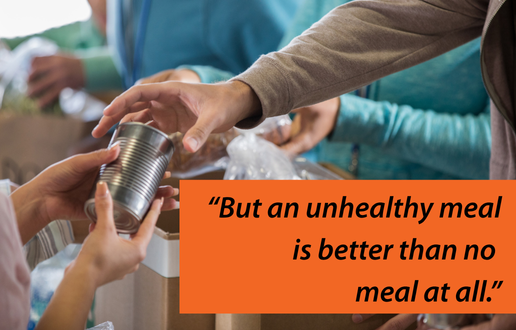
The family returns home; Anna sorts through the groceries from the pantry, and the kids play outside until dinner. She tries her best to feed her family a balanced diet but finds it difficult because the donations from the pantry and what she can afford are often junk food. But an unhealthy meal is better than no meal at all.
Anna spends the rest of the night compiling job listings for the next day and tucks her children into bed. As she dozes off to sleep, she worries about the troubles awaiting her the next day – the children’s growling stomachs, the pantry that is only slightly less empty (thanks to the donations from the food shelter), and the job rejections that undoubtedly await her.
Though Anna is not “real,” she embodies the real struggles that many New Yorkers face. Since the passage of the “One Big Beautiful Bill Act,” Supplemental Nutrition Assistance Program (SNAP) benefits have undergone some of the largest reductions in the program’s history, with over $300 billion in cuts. The policy changes outlined in the bill limit access to the benefits the program offers.
Among the New York City boroughs, the Bronx houses the highest percentage of adults suffering from food insecurity. In District 15, the zone I reside in, approximately 129,000 households receive food assistance, and 61,000 people are at risk of losing all or some of their benefits – leaving almost half of these households in a vulnerable position.
SNAP is a valuable instrument in the fight against hunger, helping millions of households across the country. It offers critical income supplementation that helps ease food insecurity. Beyond its direct impact on the lives of many individuals and families, it also generates broad economic stimulation. By funneling these benefits into local businesses, SNAP supports the local economies and strengthens communities.
Yet, hunger in America remains a persistent, growing crisis rooted in systematic poverty and inequality. Grounded within the tradition of Catholic Social Justice, we are each called to be in solidarity with people who suffer and affirm the inherent dignity of every human.
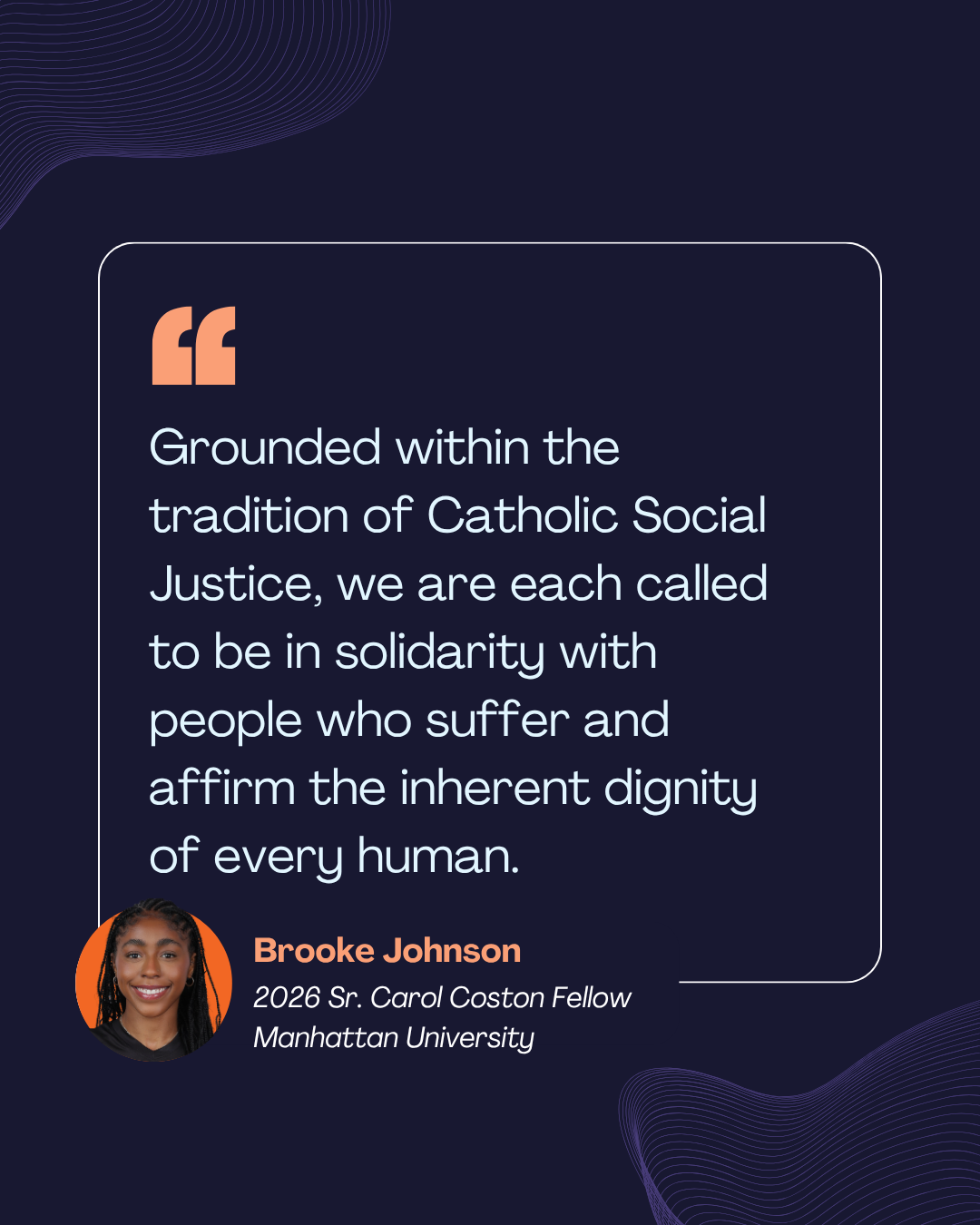
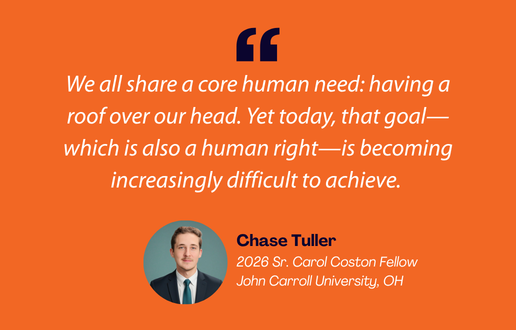
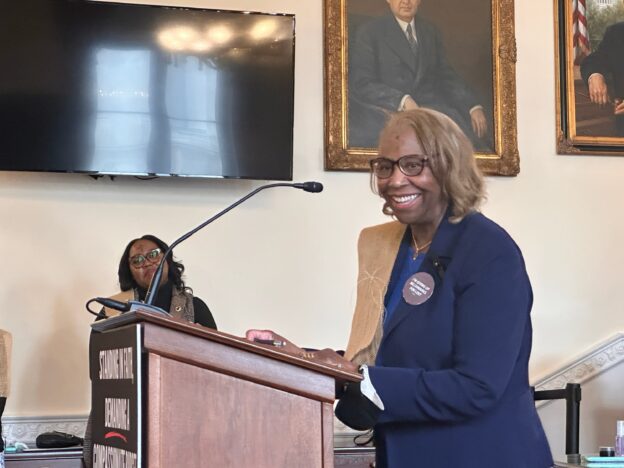
Quote graphic of Brooke Johnson
In a time when our neighbors are suffering, people just like Anna and her kids, we must demonstrate unity and defend and advance the commitment that all people have a right to the necessities of life, especially access to food.
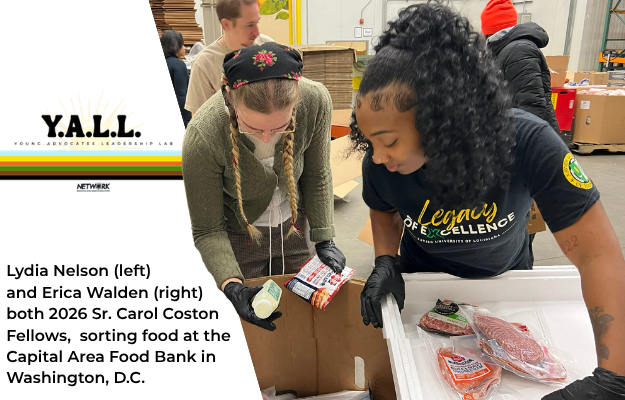
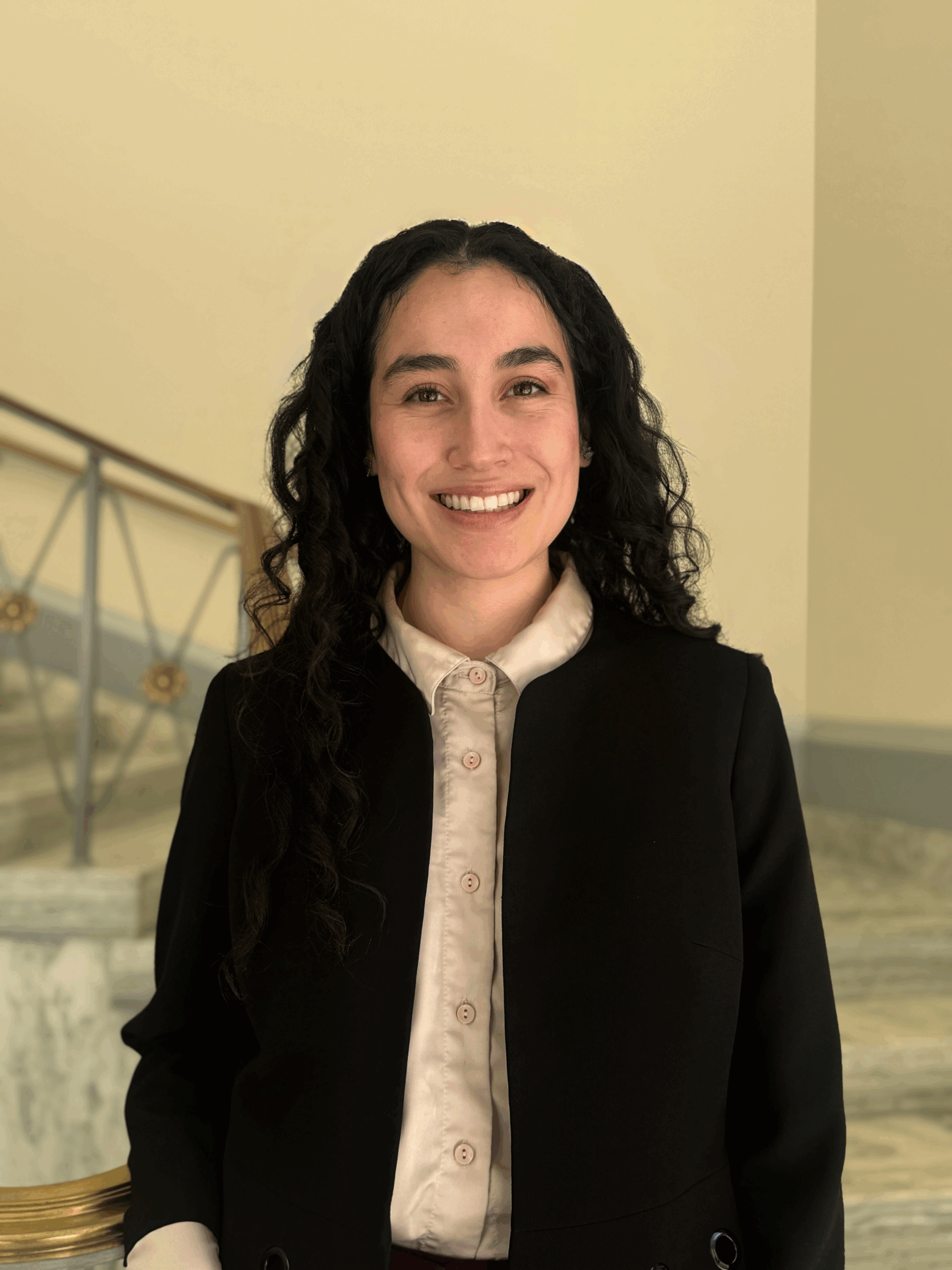
Brooke Johnson is a student studying political science at Manhattan University and a Sr. Carol Coston, OP Fellow in NETWORK’s Young Advocates Leadership Lab (Y.A.L.L.).