

Category Archives: Build Anew

Build Anew Series – Food Justice

Build Anew Series — Part 4
Food Justice

Virginia Schilder
October 12, 2023
Welcome back to our Build Anew Series, with weekly posts covering the people, policies, and values at the heart of the issues we work on. This week, we’re talking about food justice, and the Farm Bill.   


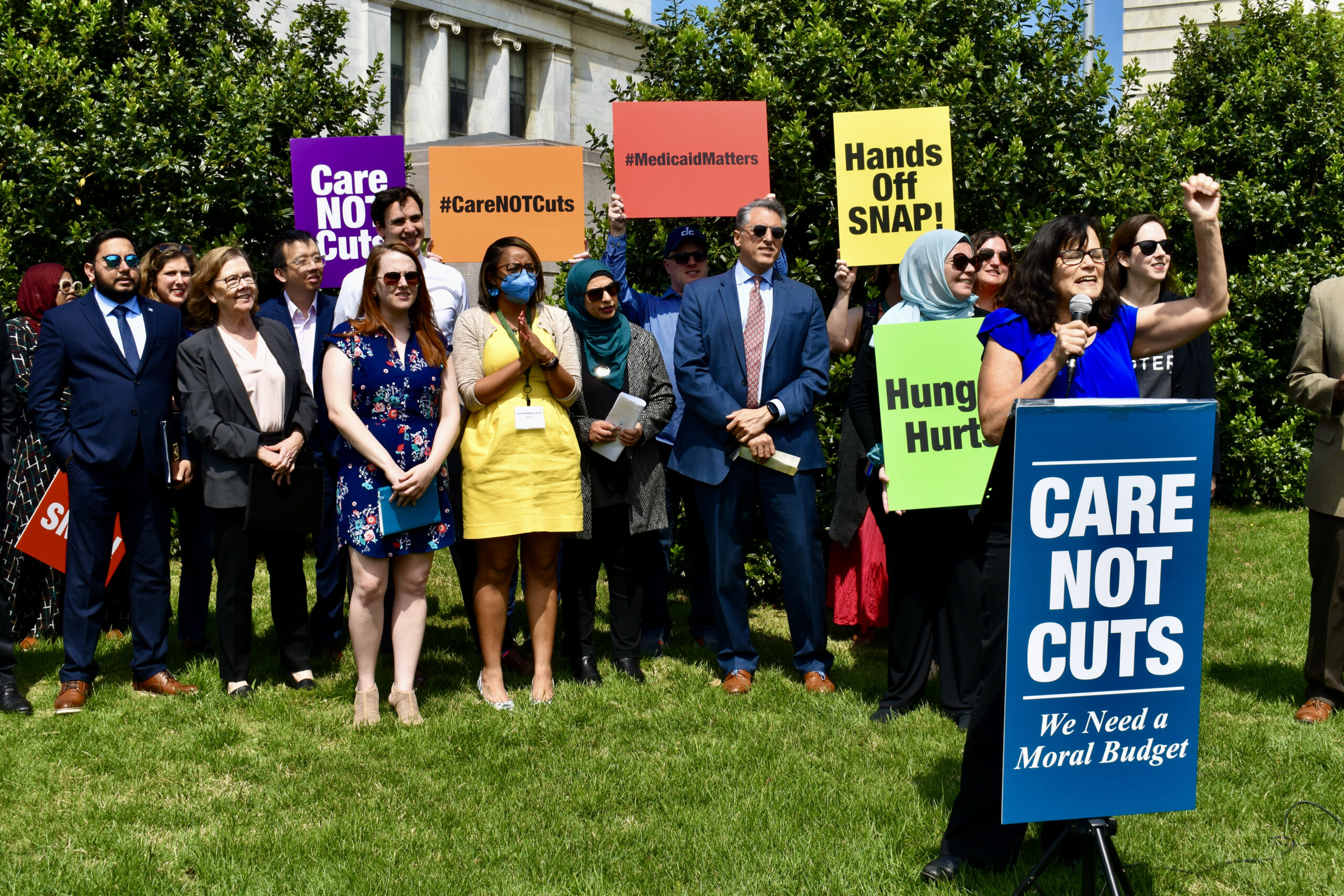
A group of people gather outside a government building with brightly colored signs that read "Hands off SNAP!", "Hunger Hurts," and "#HousingMatters." They stand behind a woman at a podium, with a sign "Care Not Cuts: We Need a Moral Budget." The woman at the podium is holding a mic and raising her fist.

Advocates gathered for a “Care, Not Cuts” rally on Capitol Hill in April 2023 to demand a moral federal budget that protects human needs programs like SNAP.

Did you know that most of our funding for nutritional assistance programs comes from the Farm Bill? The Farm Bill is a giant legislative package that contains nearly all of our federal agriculture and food policy — and a large part of that is funding for the Supplemental Nutrition Assistance Program (SNAP), which has proven to be one of our most effective policy tools in reducing hunger and promoting healthy and safe communities.

The Farm Bill must be reauthorized every five years, and it just expired on September 30, 2023. Congress issued a 45-day continuing resolution on the budget to avert a government shutdown, and the expiring Farm Bill policies were temporarily continued as well. But over the next month, as Congress needs to decide on a budget or face another shutdown, it is up to us to ensure that SNAP is protected in the Farm Bill, without onerous work-reporting requirements. And in order for those SNAP benefits to be accessible, we must make sure that the Farm Bill includes the RESTORE Act, which will remove unjust and illogical restrictions that exclude some of our most vulnerable neighbors from SNAP.

This week on the Build Anew Series, we’ll explore what we’re doing to promote food security and expanded SNAP access, through advocating the inclusion of the RESTORE Act in the upcoming Farm Bill. But first, let’s put this advocacy in context by talking about the current status of food insecurity in the United States and what our Catholic teaching has to say on the importance of feeding our neighbors.

Facts and Figures on Food Security in the U.S.
Present Realities

Despite a national surplus of food, millions in the United States go to bed hungry each night. According to the Census Bureau Household Pulse Survey data from September 2023, over 26 million adults reported not having enough to eat in the last seven days. Billions of tons of food are produced every year, but the USDA estimates that up to 40% of that food is wasted — while many of our communities go without. This is a gross injustice.

Food insecurity persists for millions of people in the U.S., but especially for Black and Brown communities. Access to nutritious food continues to be a racial justice issue. 40% of Black and Latine families were food insecure during the COVID-19 pandemic. Black and Latine children are twice as likely as white children to experience hunger. This is compounded by the fact that food deserts — neighborhoods without feasible access to affordable and healthy food — are disproportionately found in Black and Brown communities.

Food insecurity is linked to other forms of economic stress — like soaring housing costs and health care bills. In times of financial stress, we may be compelled to skip or shrink meals in order to pay other bills. This creates a vicious cycle of harm, as lack of nutritious foods leads to increased risks of illness and hospitalization.

We know that nutrition assistance programs work. SNAP has proven to be our nation’s most effective anti-hunger program. It is the main form of nutrition assistance for many low-income people and families, including elderly and disabled community members. SNAP overwhelmingly supports households living at or below the poverty line, and a quarter of SNAP beneficiaries are children. Programs like SNAP help our families and neighbors— including people who work full-time — to make ends meet and stay afloat through hard times. Yet, several Republicans in Congress have made it clear that they are not only willing but actively seeking to cut funding for SNAP and similar food security programs in the upcoming budget — an unconscionable neglect of basic human needs that urgently calls for our advocacy.

Our Values

“What we would like to do is change the world — make it a little simpler for people to feed, clothe, and shelter themselves as God intended them to do.”
—Dorothy Day, The Catholic Worker, June 1946

Catholic Social Justice Teaching calls us to uphold the dignity of each person as an equally valuable member of the global family. Because dignity refers to what people deserve by virtue of their humanity, upholding dignity means ensuring that each person has what they need to live well. At the most basic level, each person needs to eat.

Food was essential to Jesus’ ministry: in feeding the five thousand and sharing in meals with his disciples, he demonstrated that God cares about the sustenance of our spirits and bodies. Jesus affirms in the Gospel, For I was hungry and you gave me food, I was thirsty and you gave me something to drink (Matt 25:35-36). Scripture broadly emphasizes the immorality of allowing siblings to go without: “If a brother or sister has nothing to wear and no food for the day, and one of you says to them, ‘Go in peace, keep warm, and eat well,’ but you do not give them the necessities of the body, what good is it?” (James 2:15-16).

Moreover, Catholics worship and share fellowship at a table, and the core of the Catholic faith — the Eucharist — is built on a meal! In the Bible, the Church, and our communities, food is communal. Feeding one another is both a central theological command and the substance of what it means to live in a community and to love our neighbors.

It is a moral failing that we allow communities, especially children and families on the margins, to experience hunger. It is our most fundamental obligation to work to eradicate hunger in all its forms, especially through policy. We believe that our food policy should exhibit a preferential option for the most vulnerable among us — focusing on eliminating food insecurity for children, the elderly, and all people experiencing poverty. Food assistance programs should never include burdensome, capitalist, and scientifically un-based restrictions, like work requirements or other standards. Programs should allow people to receive nutrition assistance with dignity, enabling people to meet dietary and cultural needs and access a variety of foods necessary for good health, like fresh fruits and vegetables.

Bolstering our nutrition assistance programs is crucial, but ultimately, intervening to end hunger, malnutrition, and food insecurity will demand that we re-think our systems of food production. Agro-business and industrialized agriculture, with its monocultural and toxic farming methods, is extremely ecologically destructive and fails to produce a diversity of nutritional food, and often exploits workers. It also makes our communities reliant on outside sources for our food — with produce often having to travel far to reach us. We are called restructure our food systems around accessibility, ethical and sustainable practices, community engagement, ecological health, and eliminating waste. Ecologically- and community- oriented food systems align with the Catholic view of the human person by affirming our interconnectedness with the Earth, making nourishment accessible, and strengthening our communities.

The RESTORE Act

SNAP serves 42 million people each year, but many otherwise eligible beneficiaries cannot access SNAP assistance. Some of these barriers include administrative burdens, or lack of accessible transportation to the nearest government center.

A huge barrier, however, is structural exclusion. There is currently in place a lifetime ban on SNAP for people convicted of drug felonies. While most states have opted out of the ban, 21 states continue to have modified bans.

This ban is completely unjust, immoral, and illogical, directly harming people who are usually leaving prison with little to no assets or income (and who then face difficulty finding employment because of workforce discrimination against formerly incarcerated persons). The SNAP ban punishes people who have already served their sentences, and it punishes their families, which often include children. And because mass incarceration targets Black and Brown communities, this ban has a disproportionate impact on people and families of color— especially women. Women comprise the majority of SNAP recipients, are also disproportionately incarcerated for drug-related felonies.

Research shows that full access to SNAP benefits reduces the likelihood of recidivism by 10 percent for people previously incarcerated for drug offenses. Our neighbors returning from prison are simply seeking to create stable lives for themselves and their families. The SNAP ban is totally antithetical to the creation of thriving communities, it denies dignity, and it is flat out wrong.

As part of the current Congress: Keep Your Promise! campaign, NETWORK and our partners are advocating that the Farm Bill include the RESTORE Act, which would end the lifetime ban on SNAP for people convicted of drug felonies. The RESTORE Act would ensure that people returning from prison can access nourishing food for themselves and their families, and help them get steady as they re-enter their communities outside of prison. Learn more about how you can take action here.

Lived Experience

Serena Martin-Liguori from New Hour, Long Island, NY

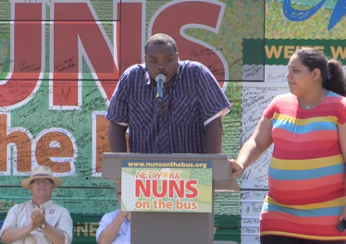
Serena Martin-Liguori, New Hour. Image from newhourli.org.

The inclusion of the RESTORE Act in 2023 Farm Bill will literally create safety. [At New Hour], every year we work with 2000-3000 women returning to our community. Access to healthy food is at the top of their list. 1 out of 3 Americans has a conviction. If you ban people from accessing healthy food, it means that you are indeed creating an unsafe environment for yourself and your community…. we are harming ourselves because it means more people in our community are not getting the support and services they need to simply put food on their table, and that is unconscionable.

As a formerly incarcerated Latina myself, the struggle to make sure that basic needs are met for women and children who have been impacted by incarceration is huge. We believe that when you have taken accountability for any harm done… once you are released, that should be the end of your sentence. You should no longer be penalized. And yet we know, in the US, the mass incarcerator that we are, we continue to penalize people for the rest of their lives — and not just them, but their children, grandchildren, and financial stability. And that has to end this year. We need to continue to find ways to create equality, and the inclusion of the RESTORE Act would certainly do that. Here on Long Island, we continue to advocate for the RESTORE Act.”

Click here to watch NETWORK’s recent Congress, Keep Your Promise! webinar to learn more about the RESTORE Act and our advocacy this fall for a moral budget. 

Join us again next week for part 5 of the Build Anew Series on taxes. And don’t forget to stay tuned on Instagram (@network_lobby) and Facebook for our Build Anew video series!
Build Anew Series – Economy

Build Anew Series — Part 3
Economic Justice

Virginia Schilder
October 6, 2023
Welcome back to our new Build Anew Series, with weekly posts covering the people, policies, and values at the heart of the issues we work on. This week, we’re talking about our economy.   
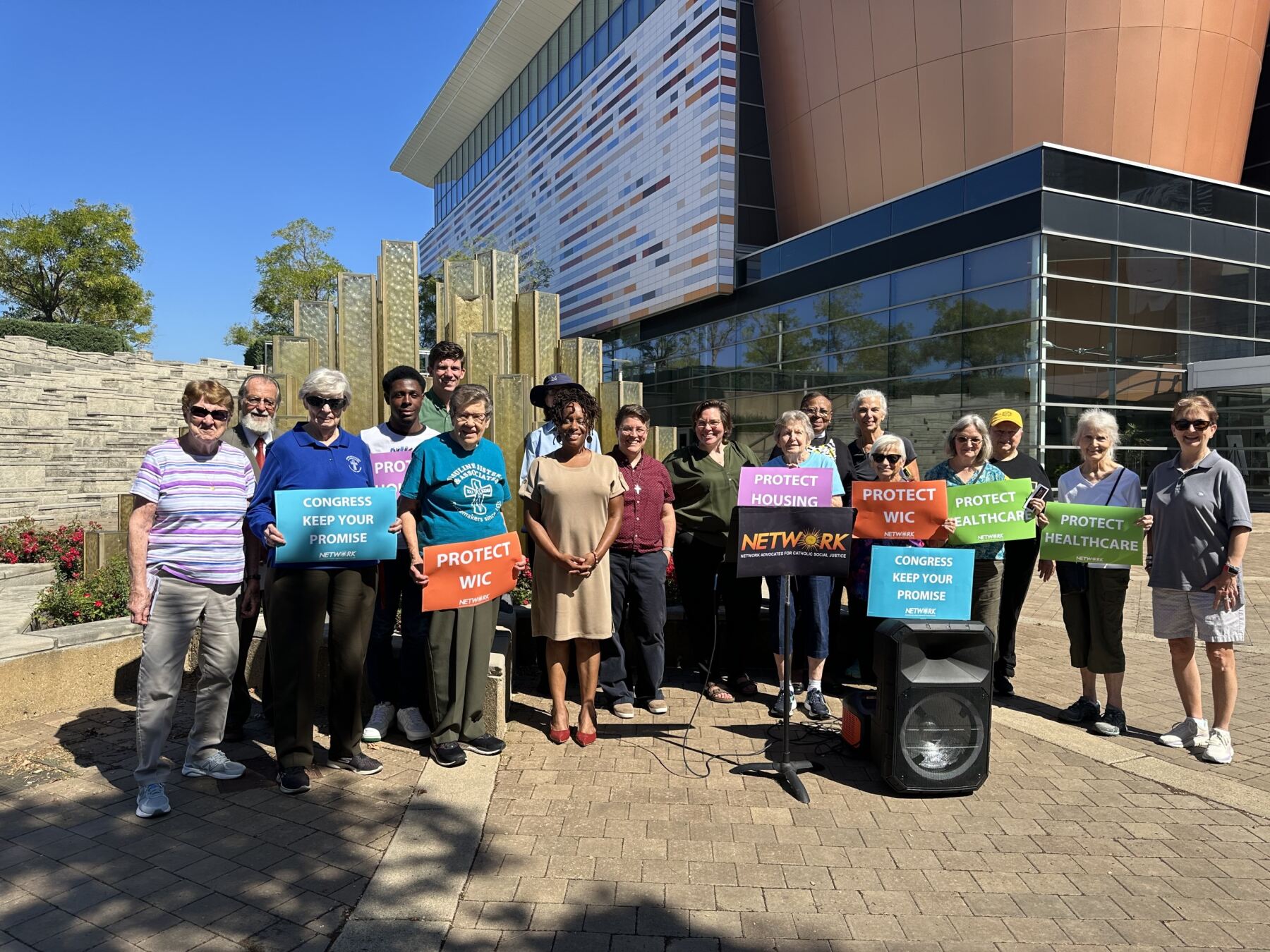
A group of advocates stand together behind a podium holding multi-colored signs that read, for example, "Protect Housing, "Protect WIC," "Protect Health Care."

Earlier this week, advocates rallied in Louisville, KY to demand a federal budget that funds critical social safety net programs.

This week, we’re celebrating a big win! Thanks to the advocacy of our communities, supporters, and partners, including our interfaith coalition and our actions to tell “Congress, keep your promise!”, Congress averted a government shutdown by passing a clean, 45-day continuing resolution to fund the government. That’s the power of the people!

However, our advocacy continues. The budget resolution passed by Congress is only a temporary measure. Congress now has 45 days to pass a budget, and we have work to do to ensure that that budget includes vital funding for the human needs programs — like WIC, SNAP, Head Start, and housing and childcare programs — that help create economic stability in our communities.

A moral budget is fundamental to ensuring our economic security — the topic of this week’s installation of the Build Anew Series. That’s because the economy is a moral structure that guides not just how we “buy and sell,” but how we take care of one another. A just economy is one in which everyone has the resources they need to thrive.

Facts and Figures on the U.S. Economy
  • Census Bureau data showed that in 2022, there were nearly 38 million people (11.5% of the population) in poverty in the U.S. The Supplemental Poverty Measure (SPM) poverty rate increased by 4.6% from 2021 — the first increase in the overall SPM rate since 2010.
  • According to the Census Bureau, Social Security continued to be the most important antipoverty program in 2022, moving 28.9 million people out of SPM poverty. Refundable tax credits moved 6.4 million people out of SPM poverty.
  • Millennials are the first generation in U.S. history who are not expected to earn more than their parents did, despite being the most educated generation in American history.
  • Income inequality in the U.S. is the highest of all the G7 nations.
  • The difference in median household incomes between white and Black Americans has grown from about $23,800 in 1970 to roughly $33,000 in 2018. The wealth gap between America’s highest- and lowest-wealth families more than doubled from 1989 to 2016.
  • Women and children are disproportionately affected by poverty. Nearly one in eight women (over 15.5 million) and nearly one in six children (nearly 11.9 million) lived in poverty in 2018. And from 2021 to 2022, the SPM child poverty rate more than doubled. Women are the primary or sole breadwinner in 4 out of 10 households with children under 18. Insufficient support for child care further burdens these families.
Present Realities

Right now, our economy is structured not around real human needs, community well-being, and a preferential option for the vulnerable. Instead, it serves the accumulation of wealth for the wealthiest among us. As economic inequality grows and the racial wealth and income gap persists, people living in the United States are experiencing immoral levels of inequality and poverty every year.

Low- and mid-wage workers face ongoing financial insecurity, only made worse by the COVID-19 pandemic. Low wages, especially the inadequate federal minimum wage and subminimum wage for tipped, youth, and disabled workers, perpetuate systemic racism and disproportionately prevent Black and Brown workers from earning wages that allow them to meet their basic needs and save for the future. This is why economic justice is a matter of racial justice. Without just wages, millions of workers across the country hold two or three jobs just to make ends meet and are one unexpected bill away from financial disaster. Unpredictable scheduling and wage theft cause hundreds of dollars of lost income a month. This economic insecurity and its resulting stress largely fall on women, especially women of color. Women of color provide financial stability to their families and communities, but experience racial and gender discrimination in securing jobs and equitable wages.

Unjust and insufficient labor policies also contribute to economic insecurity. Today, only 13% of workers in the U.S. have paid family leave through their employers, and fewer than 40% have access to personal medical leave through employer-provided short-term disability insurance. In fact, 34.2 million people in the U.S. do not have a single paid sick day! And even with access to unpaid sick days, for many low-wage workers, the lost wages of time off may be too burdensome to take the proper time off to recover from illness, care for a sick child or loved one, receive counseling, or pursue justice after an experience of violence.

Luckily, our policies can change, and have changed. For example, pregnant workers in the U.S. have long faced workplace discrimination in all industries, in every state, across race and ethnicity. Black, Brown, and immigrant birthing parents are at particular risk, as they more frequently hold inflexible and physically demanding jobs that pose additional challenges for pregnant workers. Thanks to the advocacy of communities like NETWORK, such discrimination is now illegal, because of legislation like the PUMP Act and the Pregnant Workers Fairness Act — the passage of which we celebrated in late 2022.

However, our economic policies overall continue to serve profit and fail to recognize our interdependence with one another. Inhumane conditions and unjust compensation deny the dignity of the worker and work alike. The costs of housing, medical needs, child care and education have increased dramatically in recent decades, but wages have not kept up. No one should be without access to safe, affordable housing, clothing, food, water, and rest — yet, this continues to be a widespread reality in the U.S., even among people who work full-time (or more). A livable income is a human necessity in order to provide for oneself and one’s family with dignity.

Lived Experience

When Darius started working at a McDonald’s in Boston, he was offered $8/hour. After three years of working there, his pay increased by only 25 cents. That was the first time he went on strike. He recalls telling his store manager that he would strike until something changes, asserting, “We deserve more. We’re worth more.”

Darius continues, “It’s not like we choose to work in fast food. We have a family to feed, we have to provide for our loved ones, for the people we got to keep safe.… We don’t have that opportunity to go on vacation with our families. We work every day, 365, seven days a week if we have to, two or three jobs. I know people that work four jobs.” Darius explains how some workers never get a chance to see their kids, recalling how his friend missed his daughter’s graduation because he wasn’t allowed a day off work.

Darius’ employer cut his hours from 40 hours per week all the way down to 10. He says, “I lost my apartment because of them, I lost my way of living… But the one thing I never lost, which they can never take, is my faith. I will never be lost without it…. This is a world that deserves a better economy, a better working economy, an economy that we can be proud of.”

Our Values

“The dignity of work and the rights of workers” is a central principle of Catholic Social Teaching. As the U.S. bishops write,

“The economy must serve people, not the other way around. Work is more than a way to make a living; it is a form of continuing participation in God’s creation. If the dignity of work is to be protected, then the basic rights of workers must be respected.”

These rights include the right to work, to just wages, and to the organization and joining of unions. We have a call and obligation to join with workers to build an economy that works for all people, serves actual community needs, and facilitates the equitable distribution of resources.

The Catholic tradition insists on the dignity of each person, and the Church has spoken on the urgent need to reject an economy of exclusion that treats both the Earth and human beings—especially Black, Brown, and Indigenous human beings—as disposable objects to be used for the accumulation of wealth. Labor policies must affirm the things that make us human: balance, rest, time for recreation and creativity, and care for selves and others. No one should have to work so many hours to make ends meet that all they do is work. Moreover, no one should ever feel compelled to come to work when they are ill, much less lose their job for being sick, grieving, or tending to sick loved ones.

Scripture is a clear source on this point: “Behold, the wages you withheld from the workers who harvested your fields are crying aloud, and the cries of the harvesters have reached the ears of the Lord of hosts” (James 5:4-6), and “Woe to him or her who builds their palace by unrighteousness, their upper rooms injustice, making their own people work for nothing, not paying them for their labor” (Jeremiah 22:13). Refusing to properly compensate labor fails to respect the dignity of the human person, because it reduces humans to tools from which to extract wealth. Workers must be treated with respect and fair compensation, as a matter of protecting right relationships in society and guarding against a culture of use and exploitation. This is why NETWORK enthusiastically supports the recent United Auto Workers strike, and the critical PRO Act which would end “right to work” (which actually takes away worker’s rights). Even further, labor should ultimately be structured to serve the actual needs of our communities, not the profits of corporations.

Finally, Pope Leo XIII, all the way back in Rerum novarum states, “When there is a question of protecting the rights of individuals, the poor and helpless have a claim to special consideration. The rich population has many ways of protecting themselves and stands less in need of help.” This reflects Catholic notion of the preferential option for the marginalized: the idea that we have a particular obligation to prioritize the needs of those who our economy makes vulnerable. We can do just that by ensuring that Congress protects vital human needs programs like WIC, SNAP, the Expanded Child Tax Credit, and more in the upcoming budget.

Throughout the Gospels, Jesus warns his listeners against worshipping money and accumulating wealth at the expense of their neighbors. Hoarding resources is incompatible with living in right relationship with others and God: “Oppressing the poor in order to enrich oneself, and giving to the rich, will lead only to loss” (Proverbs 22:16). Instead, to build a just society in which all communities can thrive, we need an economy built around solidarity, care for the vulnerable, human dignity, and what the Catholic tradition calls the “common destination of created goods.” This phrase means that, as Pope Francis writes in Fratelli tutti, “If one person lacks what is necessary to live with dignity, it is because another person is detaining it… The world exists for everyone, because all of us were born with the same dignity.” The Earth has sufficient resources for all of us to flourish; it is up to us to responsibly, ethically, and justly distribute them. A key way to justly distribute resources is through policies that ensure that the wealthiest Americans pay their fair share of taxes — which would be more than enough to fund the programs our communities desperately need to thrive.

It is clear that we are all called to structure our economy not around generating profit for a select few, but around serving our real community needs — especially those of Black and Brown communities, low- and middle- income workers, and all those who our economy has historically left out. We must build anew our economy in a way that justly distributes our abundant resources and enables everyone in our communities to access what they need in order to live in accordance with the fullness of their incalculable worth. That’s the meaning of true economic health.


Join us again next week for part 4 of the Build Anew Series on food security. And don’t forget to stay tuned on Instagram (@network_lobby) and Facebook for our upcoming Build Anew video series!
WATCH: Click here to watch a recording of NETWORK’s Congress, Keep Your Promise webinar about our current campaign to ensure Congress funds critical human needs programs and to learn how you can get involved.

Build Anew Series – Immigration

Build Anew Series — Part 2
Immigration

Virginia Schilder
September 28, 2023
Welcome back to our new Build Anew Series, with weekly posts covering the people, policies, and values at the heart of the issues we work on. Today, in our second installation of the series, we’re focusing on Immigration.
Our Present Realities
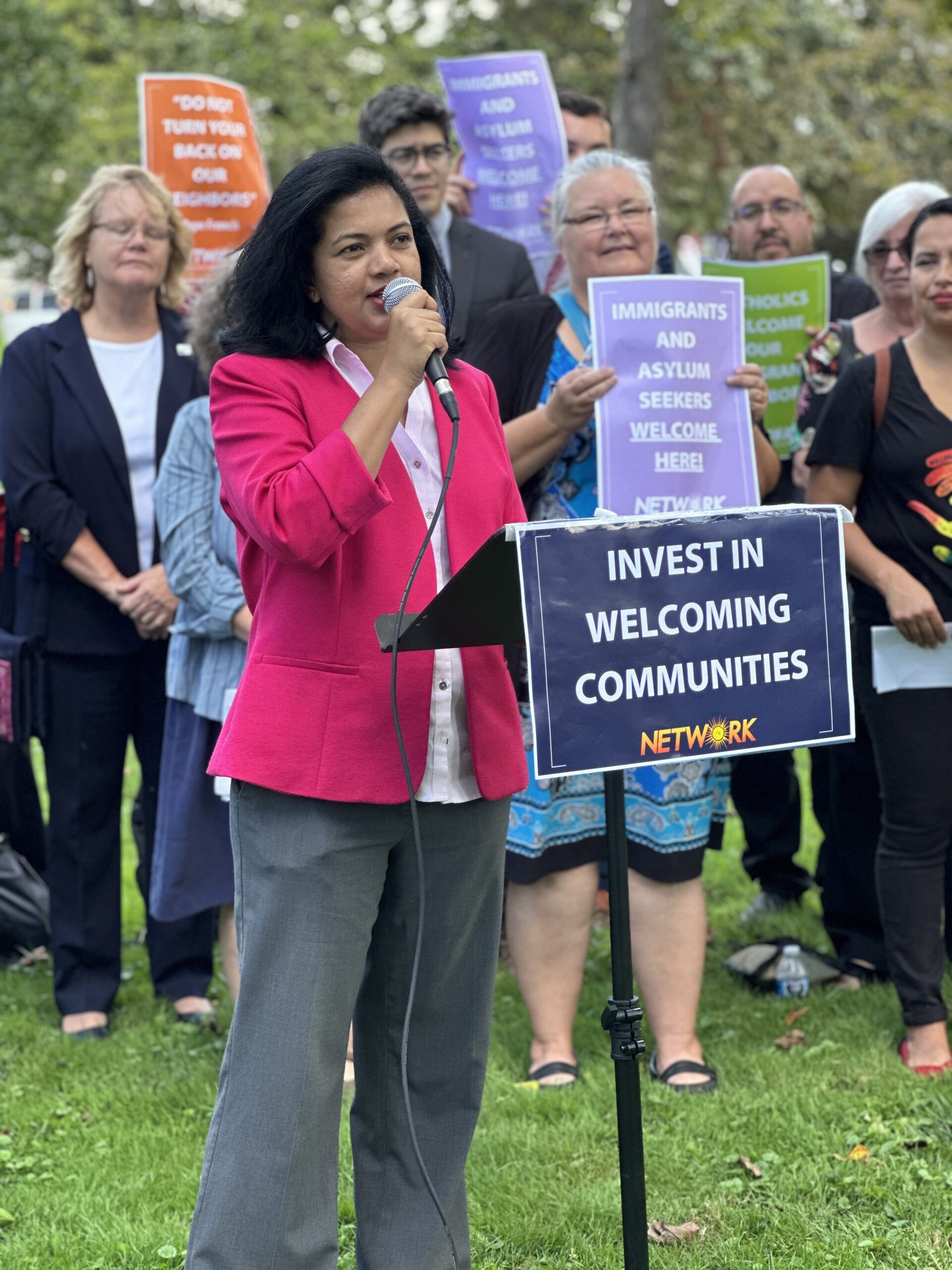
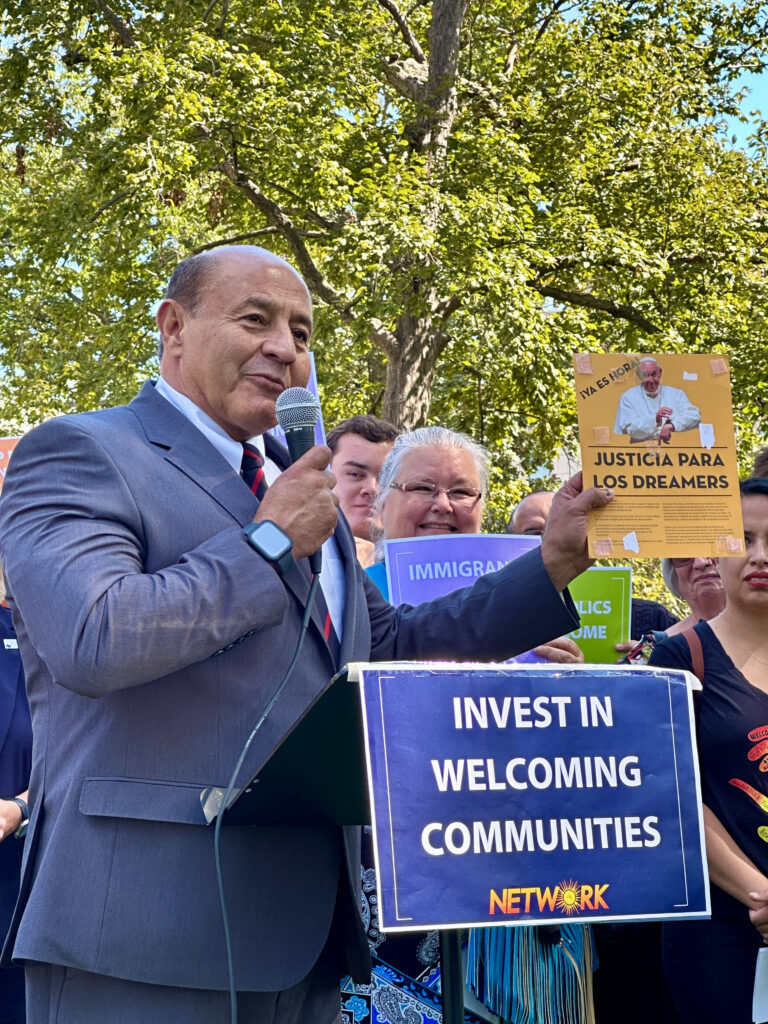
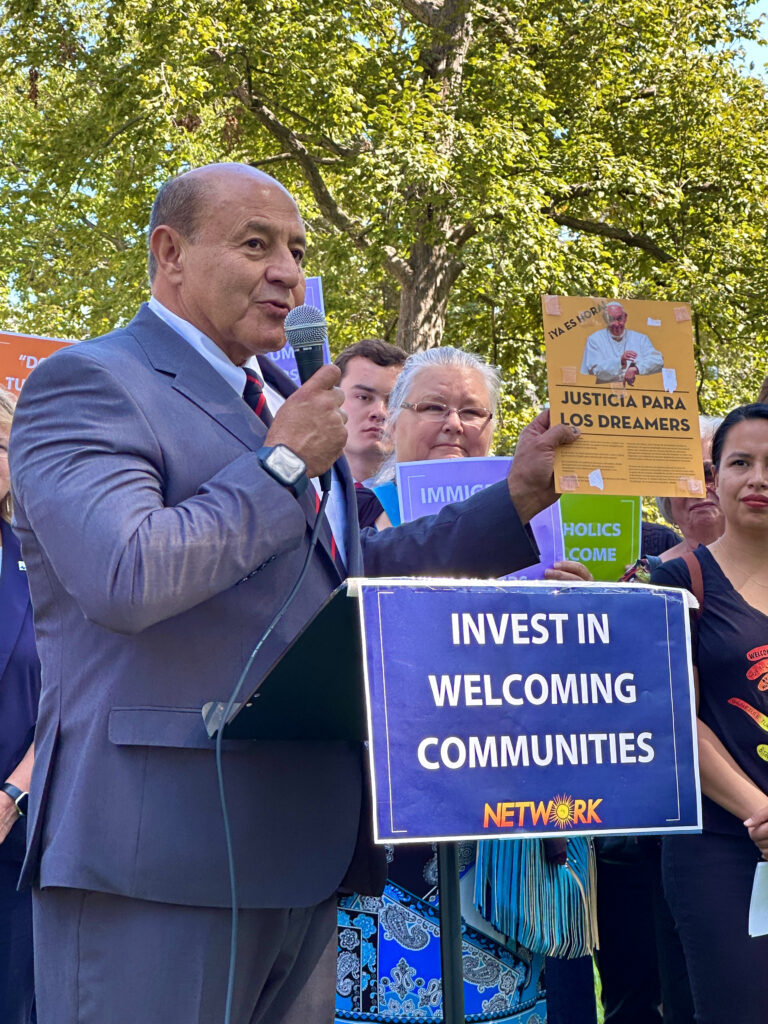
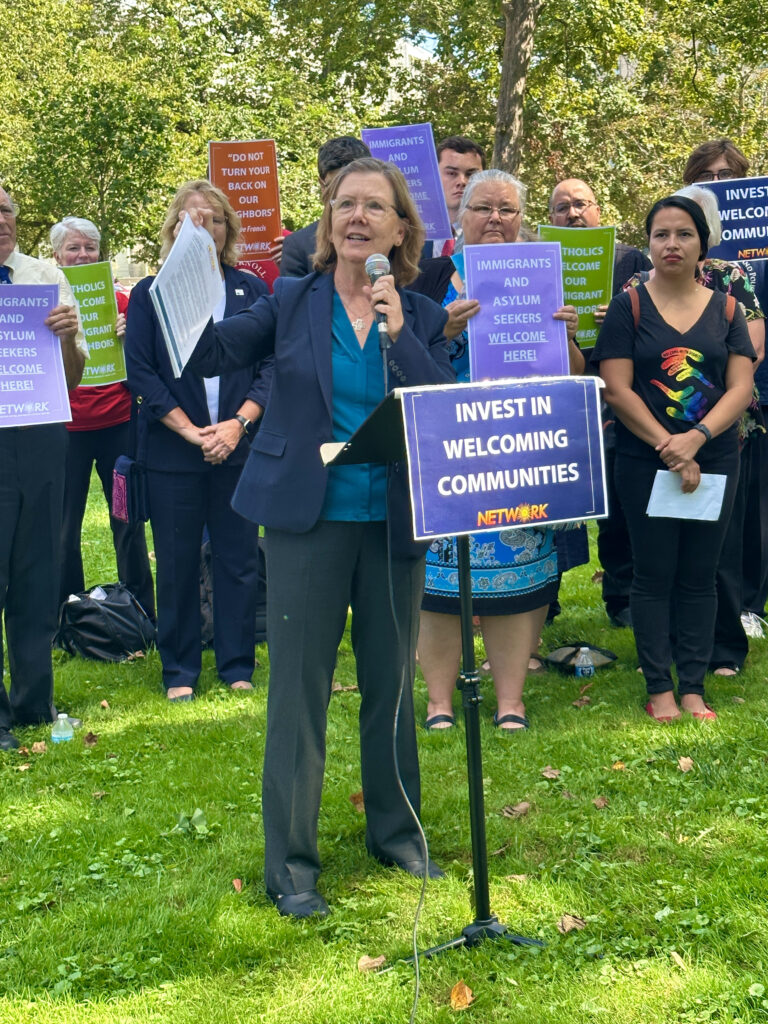
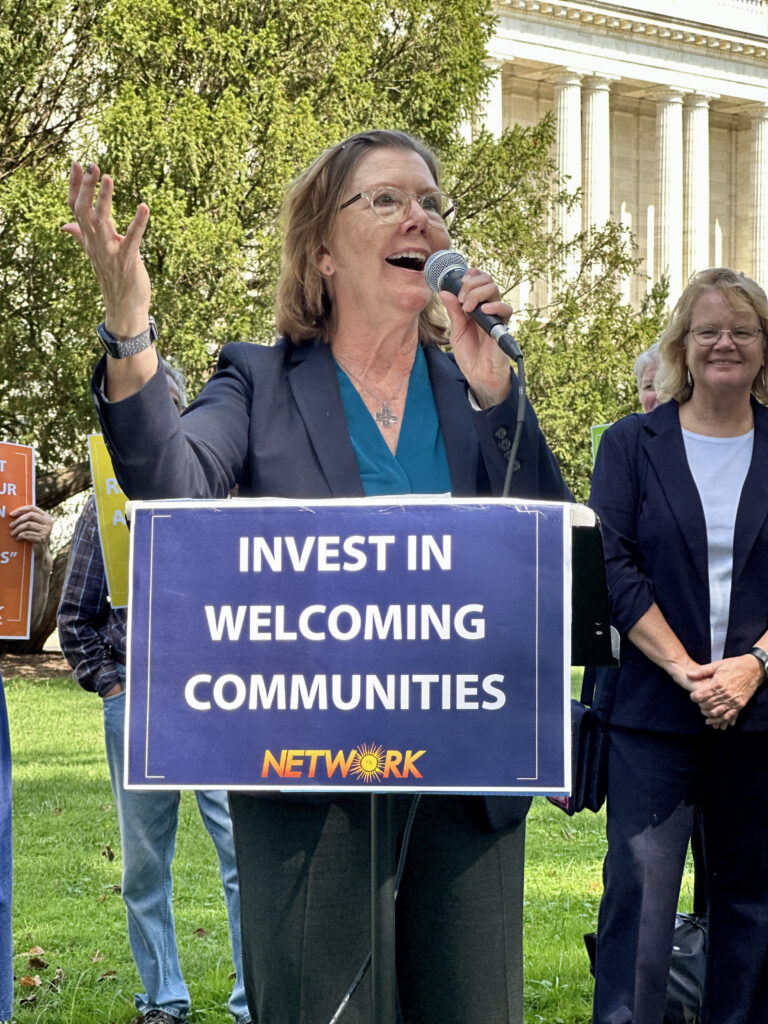
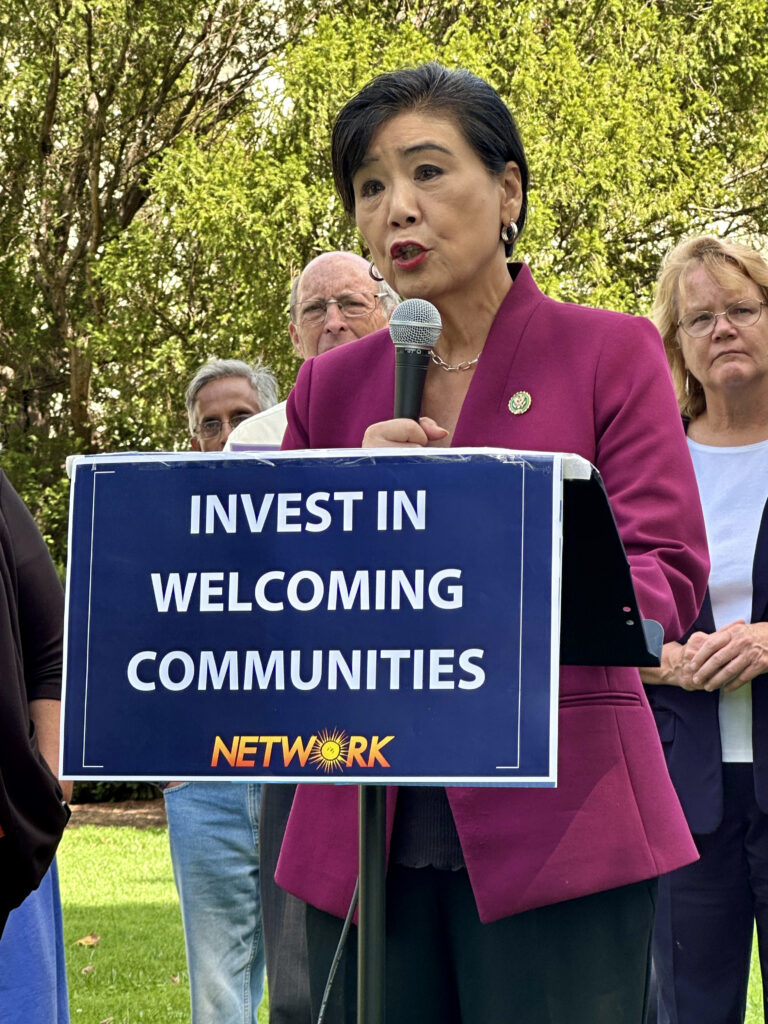
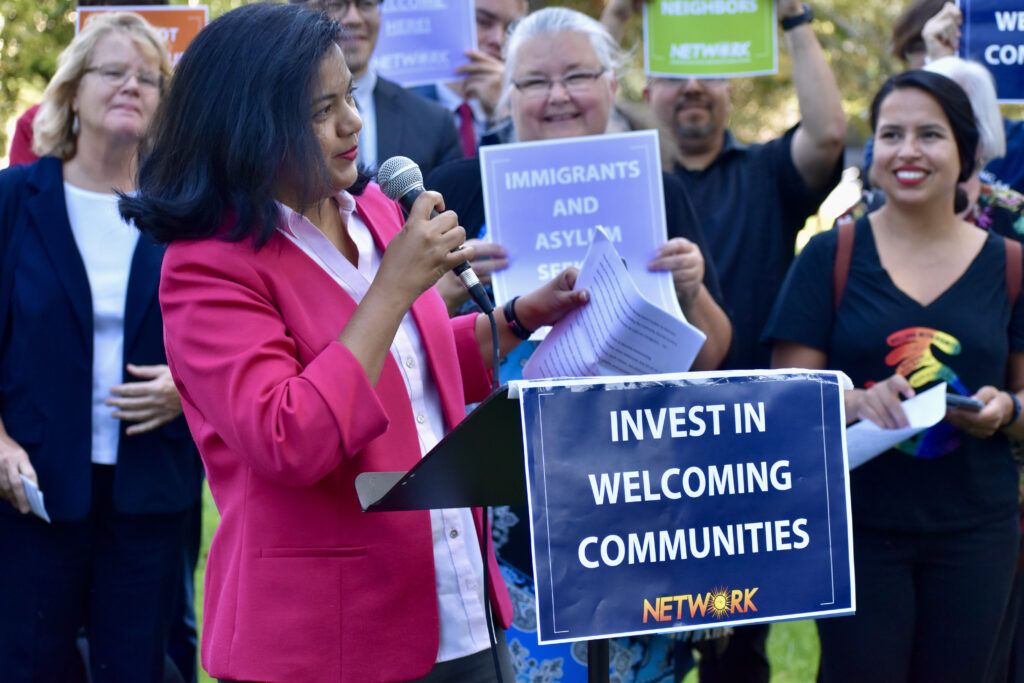
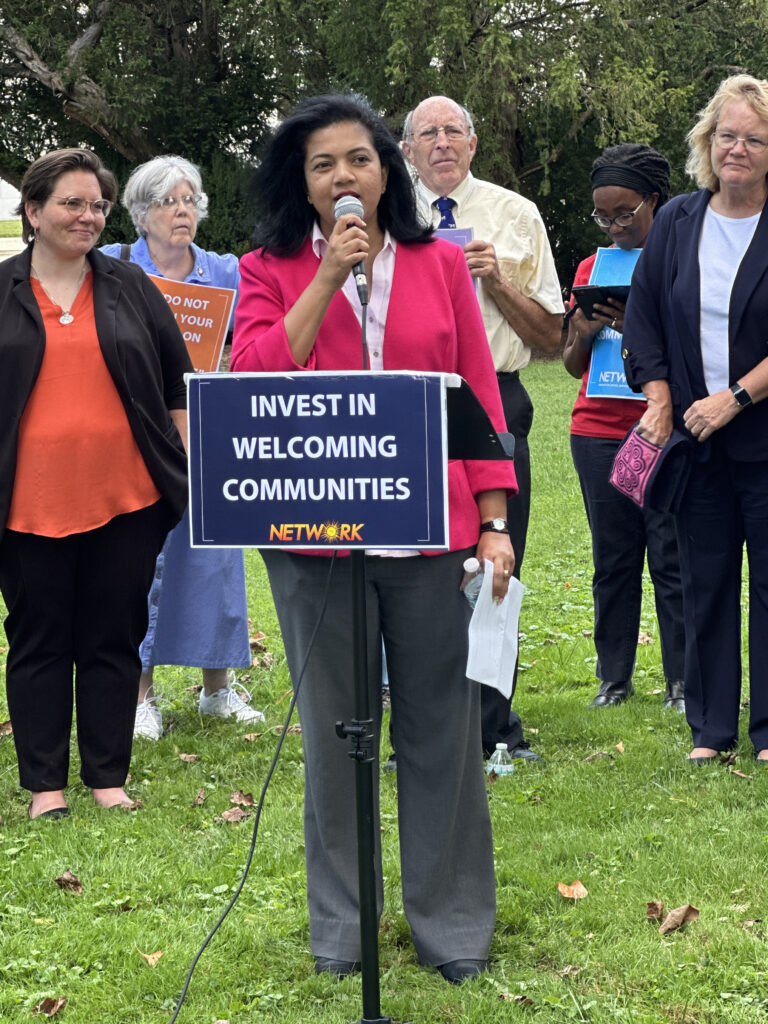
NETWORK Government Relations Director Ronnate Asirwatham, a woman in a pink jacket, holds a microphone and speaks from behind a podium with a sign, "Invest in Welcoming Communities." Many other advocates with similar signs stand behind her.

NETWORK Government Relations Director Ronnate Asirwatham at the September 2023 Welcoming Communities press conference on Capitol Hill

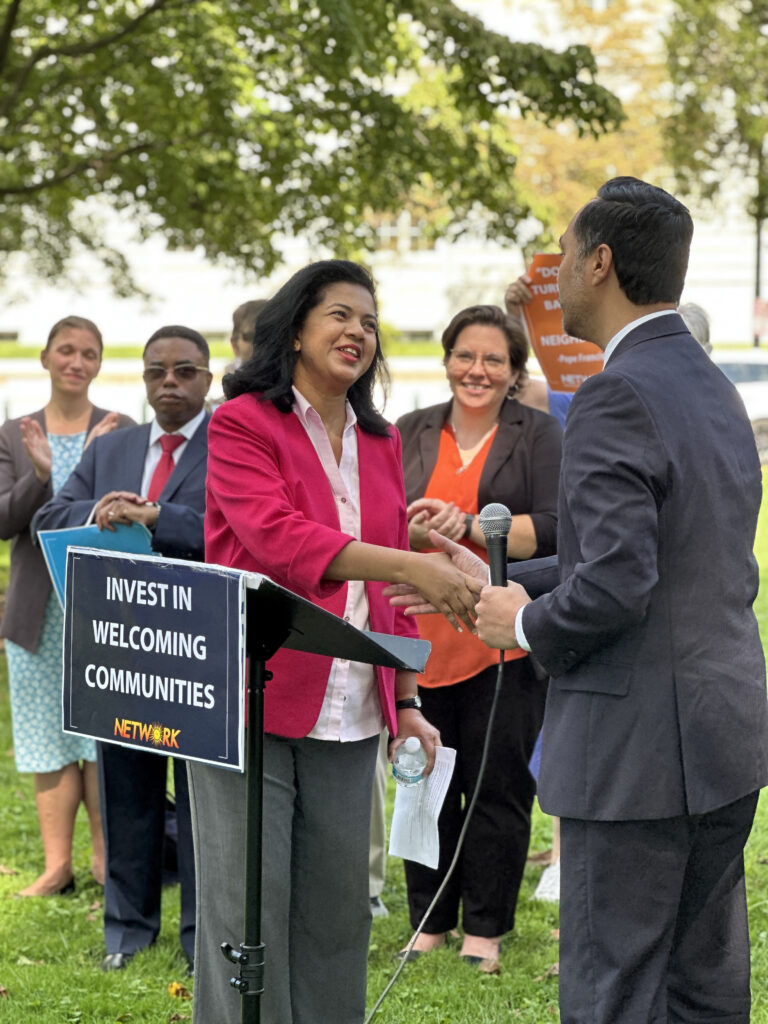
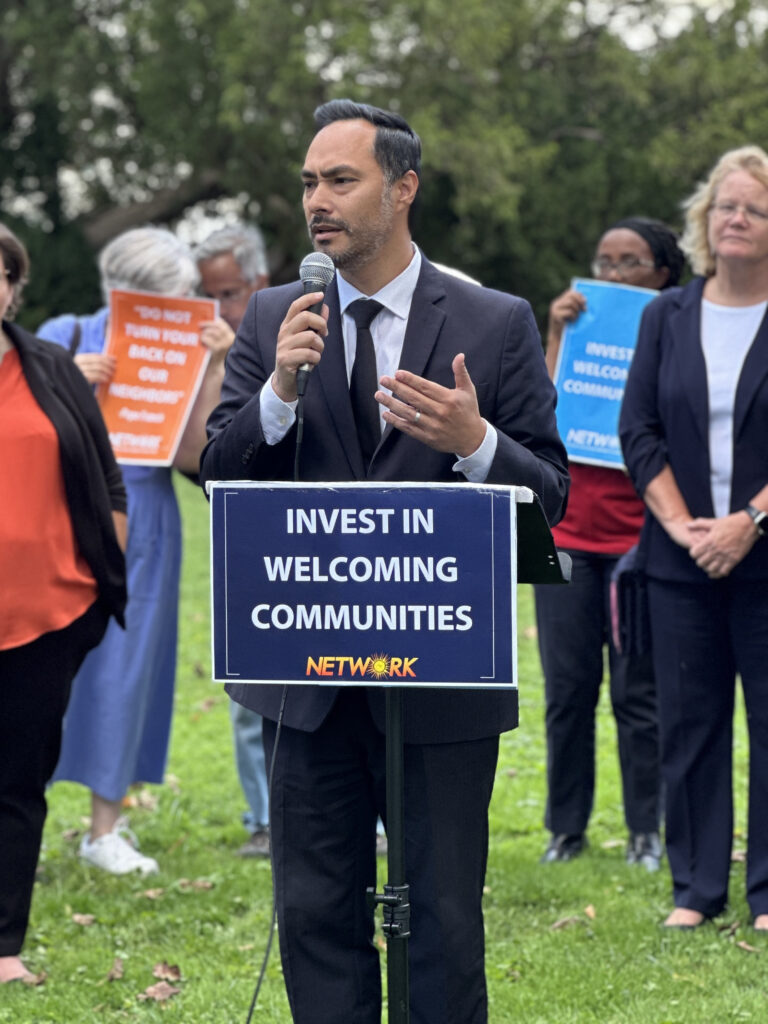
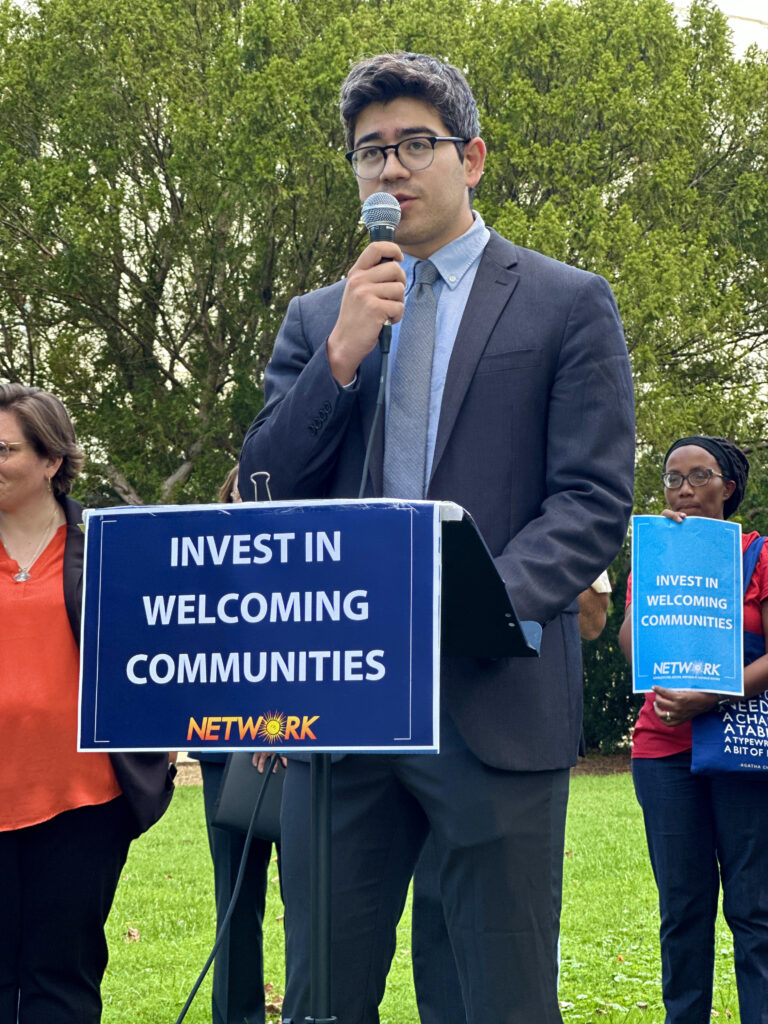
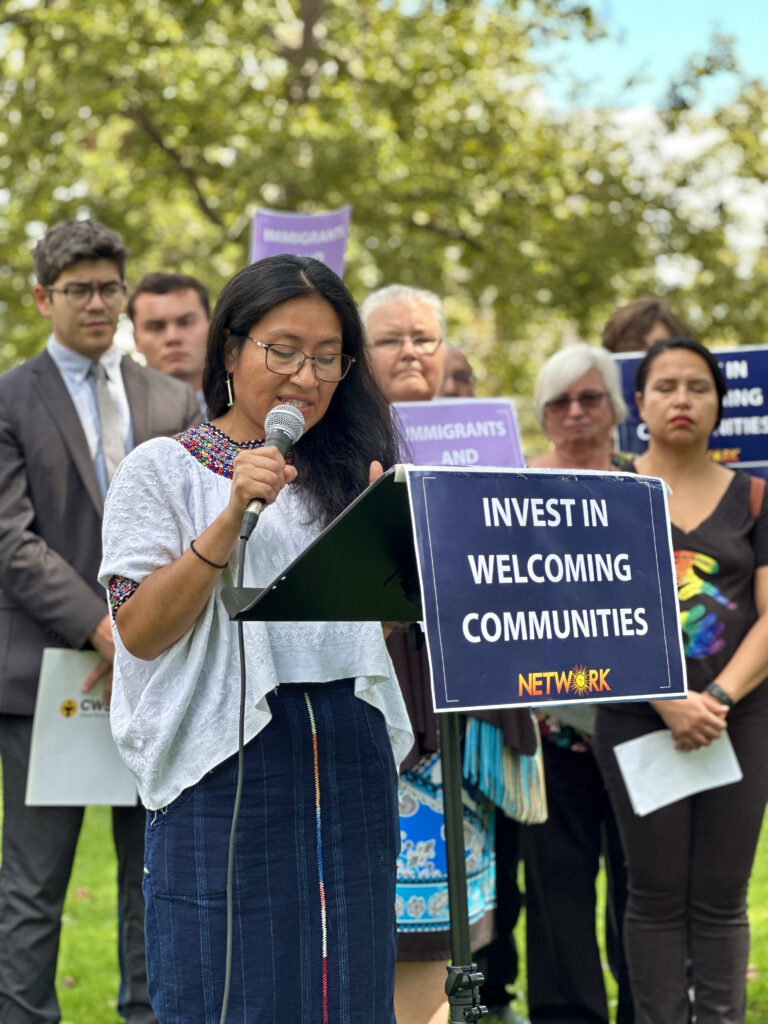
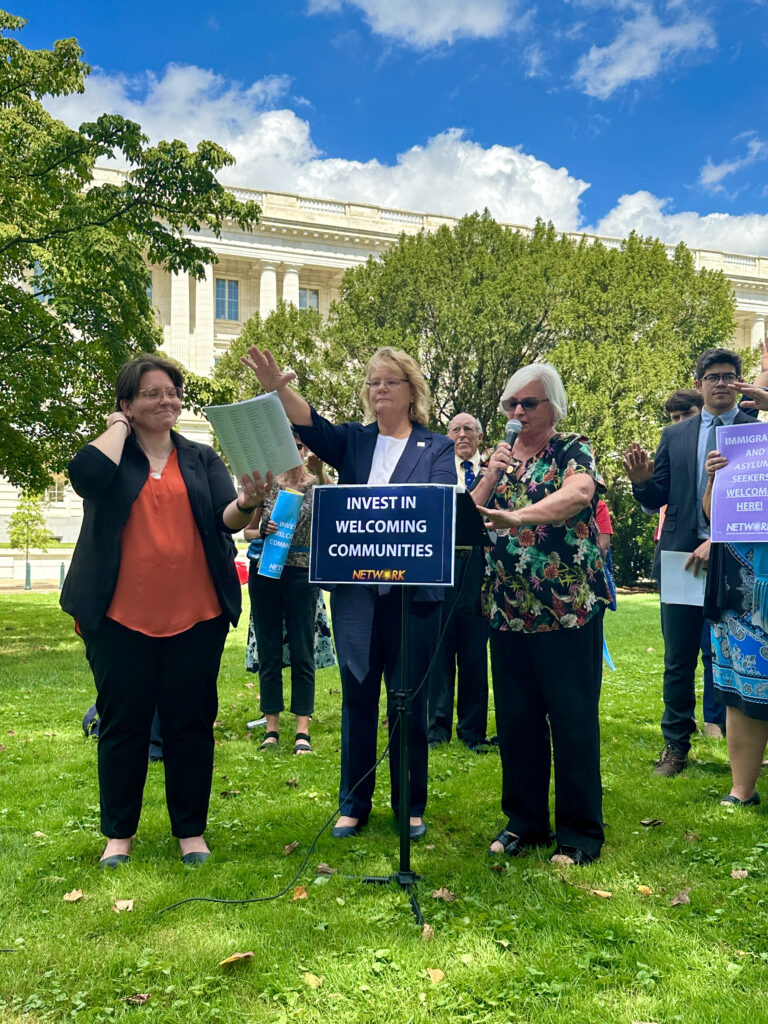
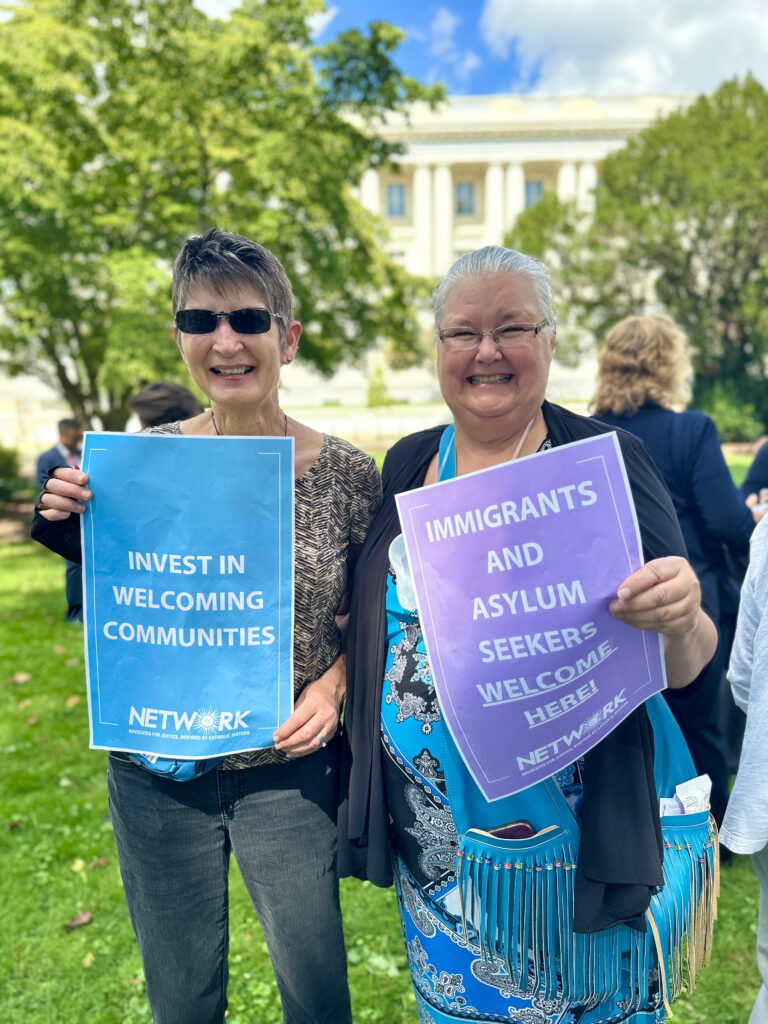
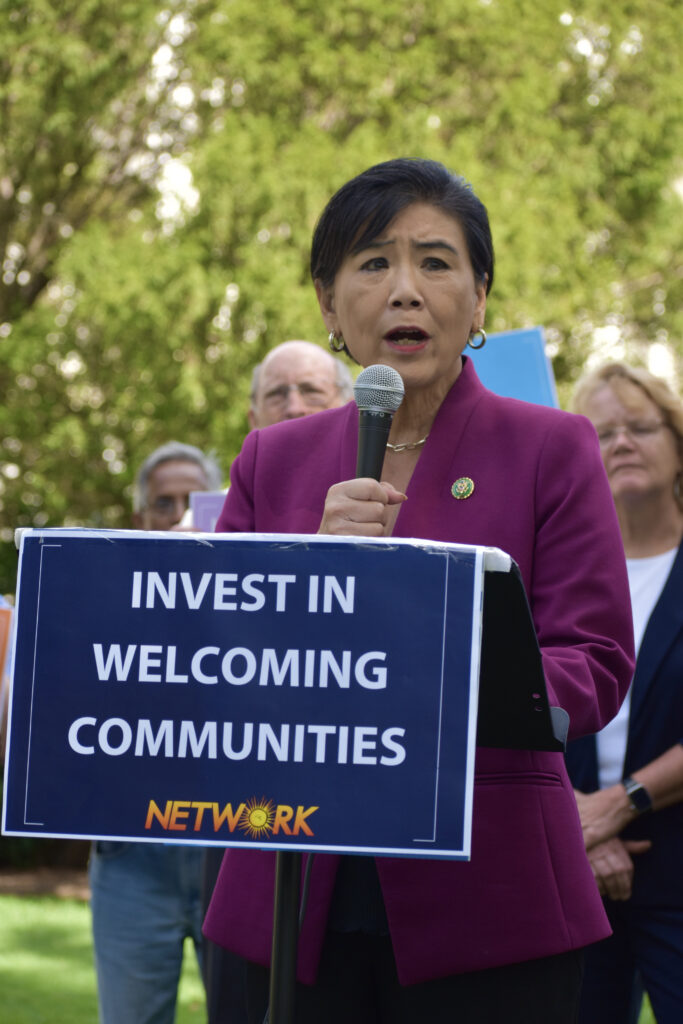
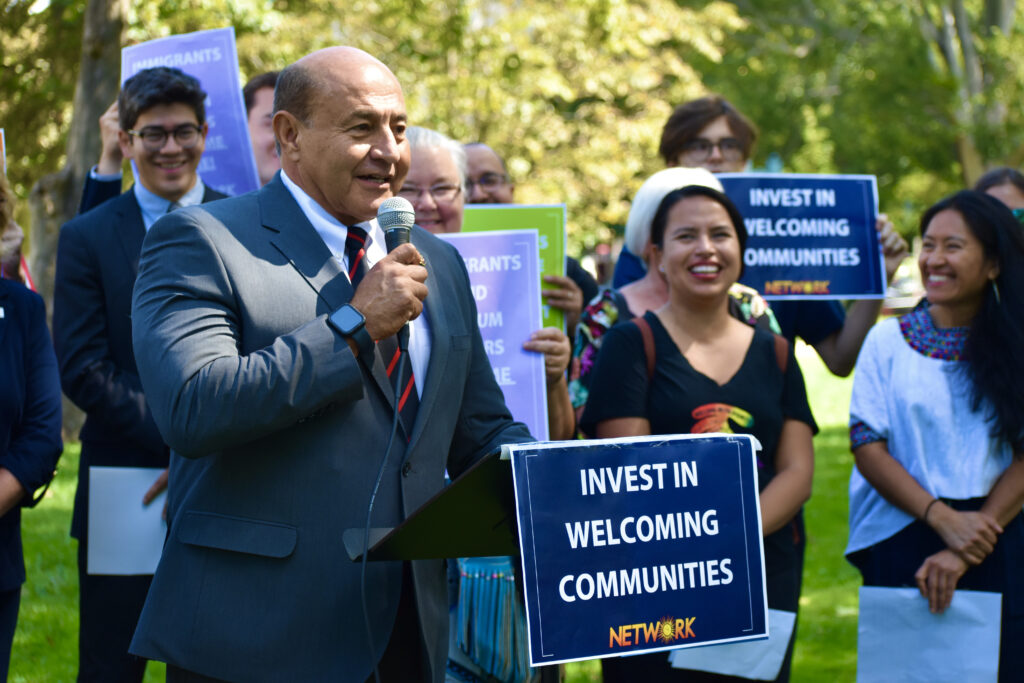
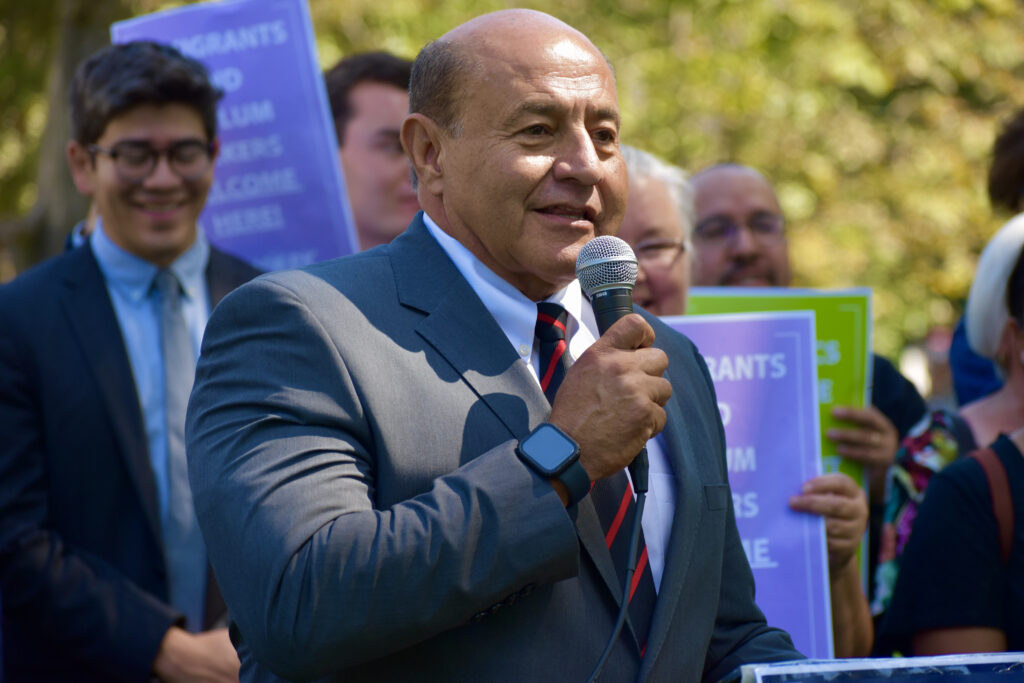
A lot has been happening in U.S. immigration policy, so NETWORK’s staff and faith-filled supporters have been hard at work. Over the summer, NETWORK opposed the Biden administration’s “asylum ban”  and condemned the horrific mistreatment of migrants at the southern border. On August 31, NETWORK and our partners released a report detailing the horrors of the implementation of the new CBP One app, which US Customs and Border Protection has made the almost sole avenue for the asylum process. Please read the full report here, which includes several first-hand stories from people impacted. Then, on September 13, Catholic Sisters from across the U.S. joined NETWORK, members of Congress, and partners from the #WelcomeWithDignity Campaign on Capitol Hill at a press conference, where we called on Congress to invest in welcoming communities and divest from the militarization of the border. We presented Congress with a letter signed by over 7,000 Catholics(!), urging Congress to continue to fund the Shelter and Services Program (SSP).  

We do this work because our broken immigration system fails to meet the needs of our siblings and make our communities truly safe. Right now, asylum seekers are forced to wait at the southern border in inhumane conditions, subject to assault, torture, kidnapping, and rape — violence to which Black, disabled, and LGBTQ+ migrants are particularly vulnerable. Many immigrants are detained in uninhabitable detention facilities, often torn from their families. 

On top of that, racism in immigration policy persists, as Black and Haitian asylum seekers in our country are still being expelled and deported without a hearing. For those who have been granted paperwork to remain in the U.S., racist policies and practices make it more difficult for immigrants of color to access care, transportation, and other basic needs than white immigrants. As The Center for Health Progress explains,  

“Until we clearly root out the inherent racism that is the foundation of our immigration policies, we will unlikely create an immigration system that is fair, just, and that creates a viable pathway for more immigrants to call the US home—something a vast majority of us, regardless of our political views, say we want.” 

These conditions, and the policies that create them, continue because of fear — what Pope Francis calls “alarmist propaganda.” Politicians in power scapegoat immigrant families and create a fabricated competition for jobs and resources — even though our economy relies on immigrant workers, who comprise 17.4% of the U.S. workforce. This xenophobia creates a culture of fear and scarcity that hurts all of us.  

The reality is, immigrants are already our families and our communities. A quarter of children in the U.S. have at least one immigrant parent. Yet, some people in power do not want to recognize immigrants as belonging to our communities, because that would mean acknowledging a responsibility for their wellbeing.  The refusal to welcome immigrants is a refusal to share power; a refusal to extend to others the same rights, powers, and privileges we enjoy; a refusal to open our hearts to another and accepting the possibility of being changed. 

Our Call to Welcome  

 As members of the human family, we are called to extend compassion interpersonally and structurally to people in need. In the same way that God’s love is not limited to country, our central commandment to love one another cannot stop at national lines. We cannot use borders to justify exclusion, to decide who “belongs” and who is an “alien.” Our faith invites us past the illusions of disconnection created by structures of oppression, and to instead recognize that we are of one global community, all children of God.   

Scripture explicitly calls us to welcome and love migrants and refugees: When a stranger sojourns with you in your land, you shall not do him wrong. You shall treat the stranger who sojourns with you as the native among you, and you shall love him as yourself, for you were strangers in the land of Egypt” (Lev 19:33-34). Borders should never be used as an excuse to turn away and ignore the real cries and suffering of our siblings.   

The Catholic view of the human person validates the strivings of each person to seek a safe and good life for themselves and their families. The Catholic tradition is clear that all people have a right to migrate, and that all nations have an imperative to welcome and accept them. Pope Francis, himself the child of an immigrant, told a joint meeting of the U.S. Congress:  

“On this continent, too, thousands of persons are led to travel north in search of a better life for themselves and for their loved ones, in search of greater opportunities. Is this not what we want for our own children? We must not be taken aback by their numbers, but rather view them as persons, seeing their faces and listening to their stories, trying to respond as best we can to their situation. To respond in a way which is always humane, just and fraternal.” 

Catholic Social Teaching affirms that each person belongs to a single, interconnected human family, irrespective of country of origin or immigration status. We are all neighbors, and our health and wellbeing depend on each others’. The unequal and unjust treatment of our immigrant siblings is a critical area to build anew if we hope to shape a more just and inclusive democracy for everyone.  

Ongoing Advocacy  

Gratefully, we have the work of justice-seekers like NETWORK Government Relations Director Ronnate Asirwatham, who continues to work to ensure that both immigrants and the communities who welcome them will not be divided by racism and xenophobia. Currently in D.C., the bipartisan Senate is desperately trying to keep the government open. Meanwhile, some Republicans in the House are threatening to shut down the government unless H.R. 2 becomes law. H.R. 2 is a bill that separates families at the border and will hold unaccompanied children in jail-like conditions. No Democrat voted for H.R. 2 in the House, and it has not even made it to the Senate. Asirwatham explains,

“Many of our Representatives today are telling us that unless we throw our neighbors into the fire, they will shut down the government, and cut programs that help our children eat or go to school. We will not be divided. We will continue to tell our Members of Congress that we are for policies that lift us all up, and they should be, too.” 

Join us again next week for our next installation of the Build Anew Series on a just economy. And, stay tuned for our upcoming Build Anew Series videos on Instagram (@network_lobby) and Facebook.  

WATCH: Click here to watch a recording of NETWORK’s Congress, Keep Your Promise webinar about our current campaign to ensure Congress funds critical human needs programs and to learn how you can get involved.

Build Anew Series – Introduction


Build Anew Series — Part 1

Introduction

Welcome to our new Build Anew Series, with weekly posts covering the people, policies, and values at the heart of the issues we work on.
Virginia Schilder
September 21, 2023

This week, NETWORK is continuing our work for Thriving Communities with the launch of the Congress: Keep Your Promise! campaign. With this campaign, we call Congress to be accountable to the people and ensure that funding for urgent human needs — in other words, upholding human dignity — is included in upcoming legislation.  

This Congress: Keep Your Promise! campaign is rooted in NETWORK’s ongoing Build Anew agenda: our pathway for realizing a just and inclusive society. The agenda calls for federal policies that dismantle systemic racism, eliminate the wealth and income gap, improve the wellbeing of our communities, and allow all people to thrive — especially those most often left out: women, people of color, people on the economic margins, and those at the intersections of these identities.  

Because of this grounding, we’re launching the Build Anew Series to accompany our advocacy work over the rest of 2023 with human stories, policy facts, and reflections on the values that guide us in this work. As with all we do at NETWORK, Congress: Keep Your Promise! is informed first and foremost by encounter and relationships with people most directly impacted by these policies, along with policy data, and our roots in our tradition of Catholic Social Justice. This series will weave together those foundations and bring them into focus in our advocacy work this season.  

Join us each week as we’ll release a post here (and fun short videos…stay tuned!) going through each of our agenda issue areas and how they connect to both the Congress: Keep Your Promise! priorities and current legislation. We’ll explore why these priorities are important with real stories from people affected by these policies, as well as what our Catholic Social Justice Teaching has to say on these issues. If we want to create a more just world for all of us, we have to be able to envision what transformation could look like, and let our work be guided by facts, by our values, and above all, by the communities at the center of the issues (yet often at the margins of our society).  

At Tuesday’s webinar, we learned about the urgent Congress: Keep Your Promise! priorities: centering human needs in Appropriations legislation, expanding the Child Tax Credit, and allowing people returning from prison to access food assistance. We’ll dive deeper into each of these issues throughout this series, as well as issues like voting rights, housing, and health care. But first, check back next week for our second installation of the Build Anew Series, on immigration. 

We hope you’ll read along with us in the weeks ahead, and write us back to let us know what you think, or to share how you’re joining in the work to Build Anew.  

“Justice also demands that we strive for decent working conditions, adequate income, housing, education, and health care for all. Government at the national and local levels must be held accountable by all citizens for the essential services which all are entitled to receive.”  
Brothers and Sisters to Us (Pastoral Letter on Racism), U.S. Catholic Bishops, 1979. 

Take Action: Congress Keep Your Promise

TAKE ACTION: CALL, SEND MESSAGES, WRITE LTE'S

Congress passed a budget this spring to avoid the debt ceiling crisis. So, why are we back here again–at a budget impasse that threatens jobs, food and housing security, and to separate families at the southern border?

Justice-seekers across race, place, and faiths can make a difference when they tell their community that Congress, Keep Your Promise! See below to Call, email, and Tweet the House. Write a Letter to the Editor (LTE) to do just that!

How to Write an LTE

Write a Budget LTE

Call the House

Send email and a Tweet, too!

Call Your Member of the House NOW: 888-897-9753! 
Tell them to pass a budget that includes funding for human needs programs and protects immigrant families. When you call, here’s what you might say:

“Hello, my name is [YOUR NAME] from [YOUR TOWN]. I want to let [REPRESENTATIVE’S NAME] know that while the shutdown crisis is over for the next few weeks, I am still concerned that the House is still proposing cuts to vital programs that will put millions out of work, hurt small businesses, and make life harder for people already struggling to make ends meet.”

Many people in my community face food and housing insecurity, high child care costs, and other hardships that make it hard to thrive without assistance. [Definitely share your own experiences and/or add local/state data here!] We cannot have a shutdown in November!

[REPRESENTATIVE’S NAME], can I count on you to work to pass a clean bipartisan continuing resolution that prioritizes funding for human needs and rejects any and all anti-immigrant proposals?

After you call, send a tweet, too! Use the form below to direct a tweet to Congress.

Resources to support your advocacy

Congress, Keep Your Promise Webinar
Webinar Q & A

During the webinar, questions were asked that we were unable to answer at that time. See them, and their answers, below.

With only 11 days until the shutdown, what is the best way justice-seekers can help?
Moderate House Republicans are the key to moving forward. If your House Representative leans moderate, give them a call and encourage them to pass a budget that funds programs that support our communities – to keep the promise they made when they voted for the bill that raised the debt ceiling. 

You can also raise the public profile of this issue by writing a letter to the editor of your local paper. See our guidance for LTE writers (including a video and training slides).

Can you give us a link to the Child Tax Credit study? 
The Center on Poverty and Social Policy at Columbia University has a number of great publications on the Child Tax Credit. You can access them here. 

Can you please say more about the work-reporting requirements and how/whom they serve or disadvantage?
For more information about work-reporting requirements, check out our one-pager here. 

What do states lose if they opt-out of the SNAP lifetime ban re: drug felons?
SNAP is an entitlement program, which means that there’s automatic funding for everyone eligible. There is no cost to states for waiving the ban.  

Blogs
NETWORK Advocates Share CTC Testimonials

Many families with young children that I know, including my own, live paycheck-to-paycheck, and the significant inflation that we are facing has caused many of us to deplete our savings and increasingly rely on credit cards to get us through the month. With interest rates as high as they currently are, this is digging us into a deeper financial hole. An expansion of the Child Tax Credit could help us avoid using credit at a time when financial experts advise us to do so.Natalie M., Shaker Heights, OH

“[The CTC] will allow my children the opportunity to participate in extracurricular activities and expose them to new experiences and friends, promoting the growth of their whole self.” Ivelisse C., Cleveland OH

“I have nieces in Ohio who are struggling to make ends meet to feed and clothe their children and also to afford daycare so they can get a job. The Child Tax Credit helped them before and it can help them again!” Sr. Joyce K., CPPS, Dayton, OH

“Several of my church families along with others in the community are struggling to make ends meet and to provide for their children. Some are looking at the loss of homes and eviction. The expanded Child Tax Credit will help to minimize theses effects of inflation and low paying work situations.” Rev. Karen B., Jeffersonville, IN

Keep Up with NETWORK

Past Actions

Reparations United Rally Concertgoers Send an H.R.40 Action Alert

Reparations United Rally Concertgoers Send an H.R.40 Action Alert

Reparations United Rally Concertgoers Send an H.R.40 Action Alert

No matter what we look like, where we live, or how our ancestors came to our country, we should all feel safe in our communities and earn the resources we need to take care of ourselves and the ones we love.

Sadly, for hundreds of years, U.S. lawmakers have failed to reckon with the original sin of slavery and its legacy of racist violence and laws — and they’ve created policies designed to keep Black people from healthy wages, homeownership opportunities, and trapped in a discriminatory criminal legal system. This has hurt our whole country. Instead of offering real solutions to decrease violence, economic disparity, and inequitable health and education outcomes in Black communities, some lawmakers and lobbyists use power and money to continue a harmful agenda and shame and blame Black people for suffering in inequitable economic and political systems.

We know the misery that slavery has wrought. Now we need to experience the healing blessing that repair and redress can provide. Let the Administration know that the U.S. needs an H.R.40 reparations commission.

When we come together, as we did recently to gain equitable policies in the Inflation Reduction Act, we can influence policy that will transform our country into a multiracial, multi-faith democracy. Join us and send notice to President Biden that we need an H.R.40 study commission so all of us in our country thrive — no exceptions!

NETWORK is grateful for Reparations United’s reparatory efforts and advocacy. We are proud to help Reparations United Rally concertgoers send an H.R.40 action alert to the President.

Blogs

Continue to pray for Reparations

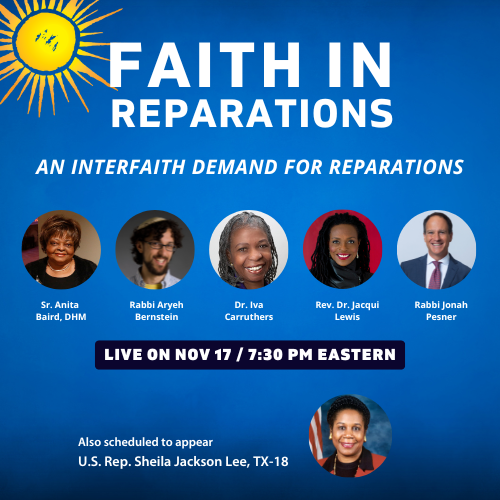
Sister Anita Baird, DHM

Sr. Anita is a member of the Religious Congregation of the Society of the Daughters of the Heart of Mary having served as Regional Superior, Provincial Councilor, and most recently as United States Provincial. A trail blazer and history maker, Sister Anita became the first African American to serve as Chief of Staff to the Archbishop of Chicago in 1997. In 2000, Cardinal Francis George appointed her the founding director of the Archdiocese of Chicago’s Office for Racial Justice.

She is a past president of the National Black Sisters’ Conference,  and recipient of the organization’s Harriet Tubman “Moses of Her People” Award. Since 2001, Anita has traveled the country preaching at parish revivals, directing retreats, and presenting anti-racism workshops.

Rabbi Aryeh Bernstein

Rabbi Aryeh Bernstein has written and taught extensively about the case for slavery reparations in Torah and Rabbinic literature, including in a 2018 article, “The Torah Case for Reparations”. Aryeh is a fifth-generation Chicago South Sider who works as National Jewish Educator for Avodah and Educational Consultant for the Jewish Council on Urban Affairs.

Aryeh is a Senior Editor of Jewschool.com and a member of the Tzedek Lab. Aryeh studied at several institutions of higher rabbinical studies and was ordained by Rabbi Daniel Landes’s Yashrut Institute.

Dr. Iva Carruthers

Dr. Iva E. Carruthers is General Secretary of the Samuel DeWitt Proctor Conference (SDPC), an interdenominational organization within the African American faith tradition focused on justice and equity issues. SDPC is both a 501c3 and United Nations Non-Governmental Organization (NGO). As founding CEO and a trustee of SDPC, she has steered the organization as a unique, influential and esteemed network of faith based advocates and activists, clergy and lay. Former director of the Black Theology Project, Dr. Carruthers has a long history of teaching, engagement in community development initiatives and social justice ministry, fostering interdenominational and interfaith dialogue and leading study tours for the university and church throughout in the United States, Caribbean, South America and Africa.

Dr. Carruthers is Professor Emeritus and former Chairperson of the Sociology Department at Northeastern Illinois University and was founding President of Nexus Unlimited, an information and educational technology firm. She was appointed to the White House Advisory Council on the internet, “National Information Infrastructure”, Mega Project and the educational software she developed was awarded a ComputerWorld Smithsonian Award. She is also founder of Lois House, an urban retreat center, Chicago, Illinois.

Rev. Dr. Jacqui Lewis 

The Rev. Dr. Jacqui Lewis—Author, Activist, and Public Theologian—is the Senior Minister at Middle Collegiate Church, a multiracial, welcoming, and inclusive congregation in New York City that is driven by Love. Period. Jacqui is the author of several books, including her latest: Fierce Love: A Bold Path to Ferocious Courage and Rule Breaking Kindness That Can Heal the World. Jacqui earned her Master of Divinity from Princeton Theological Seminary and earned a M.Phil. and a Ph.D. in Psychology and Religion from Drew University. Ordained in the Presbyterian Church (USA), she is the first African American and first woman senior minister in the Collegiate Church of New York, which was founded in 1628.

Middle Church and Jacqui have been featured in media such as The TODAY Show; Good Morning America; The Takeaway; The Brian Lehrer Show; and in The Washington Post, The New York Times, and The Wall Street Journal. Her podcasts include Love.Period., which is produced by the Center for Action and Contemplation, and The Four—a fearsome faith foursome talking about Black Life, Love, Power and Joy, with Otis Moss III, Lisa Sharon Harper and Michael-Ray Mathews.

Rabbi Jonah Pesner

Rabbi Jonah Dov Pesner serves as the Director of the Religious Action Center of Reform Judaism. He has led the Religious Action Center since 2015. Rabbi Pesner also serves as Senior Vice President of the Union for Reform Judaism, a position to which he was appointed to in 2011. Named one of the most influential rabbis in America by Newsweek magazine, he is an inspirational leader and tireless advocate for social justice.

Rabbi Pesner’s work has focused on encouraging Jewish communities to reach across lines of race, class, and faith in campaigns for social justice. In 2006, he founded Just Congregations (now incorporated into the Religious Action Center), which engaged clergy, professional, and volunteer leaders in interfaith efforts in pursuit of social justice. Rabbi Pesner was a primary leader in the successful Massachusetts campaign for health care access that has provided health care coverage to hundreds of thousands and which became a nationwide model for reform. Over the course of his career, he has also led and supported campaigns for racial justice, economic opportunity, immigration reform, LGBTQ equality, human rights, and a variety of other causes. He is dedicated to building bridges to collectively confront anti-Semitism, Islamophobia, and other forms of hate and bigotry.

Keep Up with NETWORK

Just Politics Catholic Podcast Season One
Reflections on Solidarity and Democracy - Connection

The Edge of Solidarity

The Edge of Solidarity  

Renewal Comes from Expanding Our View of the Human Family 

Joan F. Neal
July 20, 2023
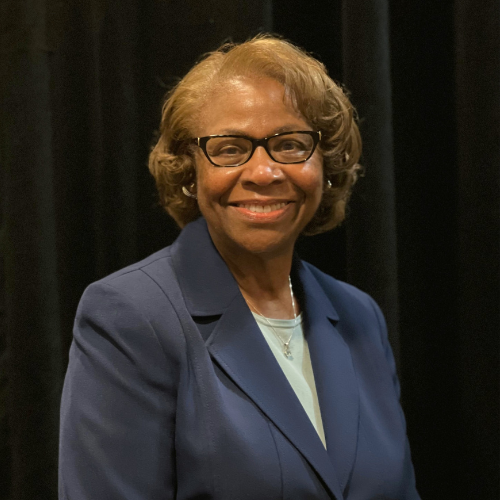
Joan F. Neal, Deputy Executive Director and Chief Equity Officer at NETWORK

Joan F. Neal, Deputy Executive Director and Chief Equity Officer at NETWORK  

This past spring, the Vatican issued a document repudiating the “doctrine of discovery,” which was used to justify colonialism and atrocities against Indigenous people for centuries. While this movement by the church is welcome and long overdue, it is not without its flaws. Not only does the Vatican document minimize the church’s active and supportive role in colonialism and the oppression and abuse of Indigenous people, it also makes no mention of the transatlantic slave trade. Once again, the institutional church has failed to take responsibility for its role in enslaving human beings.  

This is a helpful illustration of how even those who seek to be allies in the struggle for justice in our society will be confronted time and again by the limits they place on solidarity — by the people whose struggles we fail or choose not to see. Solidarity is like the edges of a canvas or picture frame. It can be extended wide to include the entire human family. Or it can be narrowed so that some individuals, or even entire communities, are left standing beyond the edges of our “family picture.”  

Solidarity can also be like the aperture that adjusts how much light is let into a camera lens. When we set the aperture of solidarity wide, the light can be dazzling, causing so many people — overcome by their role in systems and structures of injustice and oppression — to shut down and retreat to a place of defensiveness and frailty. Every time a politician or media figure decries “wokeness” in our society, I shake my head, sadly aware that this is probably a person who sees the systemic problems and injustices in our midst, but also doesn’t want to do the work to correct these problems, perhaps afraid of what they might be asked to give up in the process.  

It is essential that we persist in doing the real work of solidarity — that we let in the light and extend the frame to the whole picture. We know from Scripture and Catholic Social Teaching (such as articulated by Pope Francis in Laudato Si’) that all of us are connected. When we’re selective in our solidarity, we can make well-intentioned missteps. Recall, in the wake of the 2016 election, how reporters flocked to diners in rural Pennsylvania in an effort to understand and empathize with the “left behind” Trump voter. This attempt at solidarity with one group was admirable, of course, but failed to recognize the wave of destructive policies against Black and Brown communities and the very fabric of U.S. democracy that was unleashed by Trump’s victory. 

Today, it’s clearer than ever that we face a political movement in this country whose capacity for solidarity is completely closed off to others and only includes themselves and people who look and think like them. Christian nationalism embraces the dismantling of democratic structures and weaponization of systems of government to punish those outside of their group and to further oppress people who question this raw use of power that benefits only a white, wealthy few. 

This aggressive anti-democratic movement has been on full display as it moves through state legislatures and other government bodies. It is animated by an awareness that, ironically, feeds into the worst aspects of its own rhetoric: that white Christians represent a shrinking, dying demographic, and that their values are not shared by younger generations. Of course, full participation in society by a multitude of diverse communities is not the end of anyone’s way of life, unless that way of life is defined by racism. The fear of being replaced by one’s neighbor is the antithesis of solidarity.  

Pope Francis has distinguished between populist political movements, which destroy democracy, and movements that are truly popular — that is, of the people — which can be a source of deep renewal in their societies. During this first half of 2023, NETWORK has embraced Pope Francis’ distinction and embarked on a movement for unflinching solidarity, declaring that communities in poverty cannot be held hostage to reckless and cruel budget cuts. That migrant people cannot be left out of our calculus of who matters as we build this country anew. That Black and Brown people, women and children are also made in the image and likeness of God, and their dignity must be respected. That solidarity is our only path out of the destructive environment of our society today.  

We affirm time and again that universal solidarity cannot be separated from the long-term protection of our democracy and the transformation of our politics. In fact, it is the key to lasting freedom and equality, and to the renewal and the authenticity of our own popular movement. Leaving people neglected outside the limits of our frame is a recipe for disaster. But journeying together in true solidarity is indeed the way to the Beloved community, “one nation, indivisible, with liberty and justice for all.” 

Joan F. Neal is NETWORK’s Deputy Executive Director and Chief Equity Officer.

This column was published in the Quarter 3 2023 issue of Connection. 
Restore and Protect Asylum - -watch the NETWORK Lobby Webinar, Sign-on the the Letter to Congress, and more

Take Action to Restore and Protect Asylum

10,000 Signatures Needed from Catholic Advocates!

We are no longer accepting signatures for the letter.

Watch: Restoring Asylum & Dignity for Immigrants

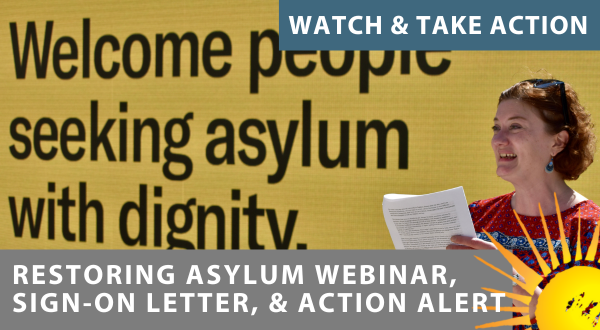
The Restoring Asylum and Dignity for Immigrants webinar makes it clear — our country needs a well-funded, law-abiding asylum process that respects people seeking a new life in the U.S. All immigrants deserve dignity — no exceptions! Catholic justice-seekers*, we are collecting 10,000 signatures to let Congress know that NOW is time to invest in better, equitable immigration policy.

*NETWORK is offering another immigration justice action — in addition to the sign-on letter — for all justice-seekers. With one click, you will be taken to a letter that you can personalize, or just send, immediately. Click here to send an email to your Member of Congress. 

Help friends, family, & parishioners sign-on, too.

Action Everyone Can Take for Immigration Justice

Resources to support you when you take action to restore and protect asylum

Blogs
Images from the Catholic Immigration Letter press conference in September 2023

Keep Up with NETWORK

Just Politics Catholic Podcast Season One
Letters to the Editor support the Thriving Communities Campaign

Thriving Communities Letters to the Editor

Learn how to write an LTE

Sister Eilis McCulloh, HM, of the Grassroots Mobilization Team, gives a short lesson on how to write an impactful Letter to the Editor. You can use this LTE training for any letter your write to publications in your community.

Below you will see a selection of LTE’s from NETWORK justice-seekers around the country who’ve reached out to publications in their area to advocate for our Build Anew policy agenda and issue areas. We’d love to hear from you after your LTE is published. Please email it to [email protected].

Other LTE Trainings

The May 2, 2023 LTE training below focuses on the debt ceiling. The slide presentation is linked below the training video.

Selected LTE's

Kentucky LTE's

Mary Danhauer, Owensboro Kentucky NETWORK supporter, has a message for people in her western Kentucky community: “It’s time for Rep. Brett Guthrie to listen to the voices of his constituents who are threatened with starvation, malnutrition and death if these cuts to our safety-net programs are allowed to become policy. This form of policy death would be a public health threat to all Kentuckians.” Read Mary’s letter to the editor of the Messenger-Inquirer below.

LETTER TO THE EDITOR -- Owensboro KY

New York LTE's

New York NETWORK supporter, John L. Ghertner, MD, shared how proposed Congressional cuts to social safety net programs are harmful to our neighbors and loved ones, especially children, and won’t decrease our federal debt. Click the link to read the LTE.

Making it harder on children is not the answer

Ohio LTE's

Parma, OH NETWORK supporter, Judy Opalach, challenged U.S. Rep. Max Miller, OH-07, to live the reality of the constituents he placed in jeopardy when he voted to slash funding for Housing Choice Vouchers, and other safety net programs he chose to harm.

Read more from Judy in her letter to the editor of The Plain Dealer.

Pennsylvania LTE's

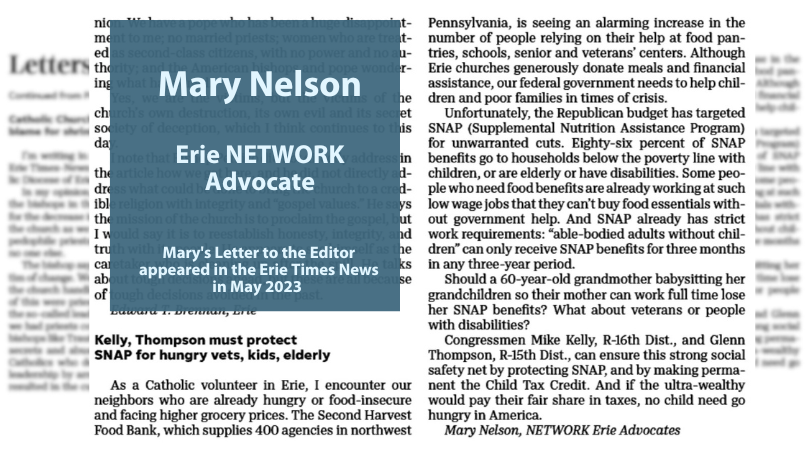
Erie, PA NETWORK supporter, Mary Nelson, wrote about the reality of the hunger in her northwest Pennsylvania community, how changes to the tax code (where the wealthy pay their fair share of what they truly owe in taxes) could help solve the problem, and the work requirements already in place on people who struggle.

A Moral Budget Will Cultivate Thriving Communities

A Moral Budget Will Bring Thriving Communities

JoAnn Goedert, Ignatian Volunteer Corp Member
Government Relations Special Contributor
April 5, 2023

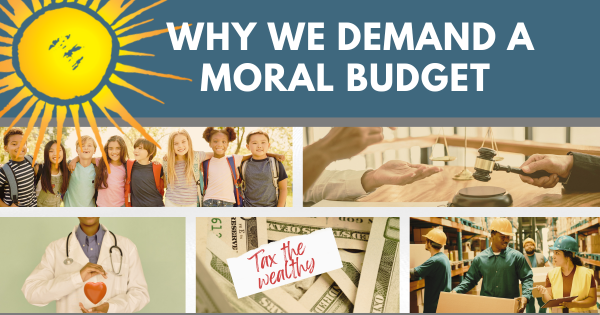
Our federal budget can reveal the respect and care we have for each other. As Mary Novak, NETWORK Lobby’s Executive Director, reminds us, “Budgets are moral documents; how we tax and how we spend reveals a set of moral choices.” President Biden has delivered a hopeful and optimistic vision for the country in his Fiscal Year 2024 (FY24) Budget. With few exceptions, President Biden’s budget embodies moral choices, and sets legislative goals, that can advance NETWORK’s Build Anew agenda. A moral budget will cultivate thriving communities nationwide. 

Build Anew can bring us to an inclusive, multiracial, and multi-faith democracy. The transformative policy agenda envisions basic economic security, education, criminal justice, health care, and more — for everyone, no exceptions. Build Anew calls for all of us to have the freedoms and resources we need to live thriving lives. This requires policies and programs that ensure the wages and work conditions that American workers need to pay their bills, enjoy family life, and retire with dignity. Too often, wealthy corporations choose not to pay workers for the true value of their work and refuse to pay our country what they truly owe in taxes. In his budget, President Biden commits to offer workers and their families the tools they need to thrive and to finally make wealthy people and corporations pay what they truly owe through taxes. 

Read on to see where NETWORK’s Build Anew policy agenda is present in President Biden’s budget to see why we are confident a moral budget will bring thriving communities

CRITICAL INVESTMENTS IN FAMILIES, CHILDREN, AND COMMUNITIES 

President Biden’s budget boldly includes critical human investments that the NETWORK community has long advocated to help individuals, families, and children achieve economic security and thrive.   

Expanded Child Tax Credit (CTC) 

Millions of families were struggling to make ends meet  when the American Rescue Plan was passed and expanded the CTC, allowing millions of parents to achieve financial stability and care for their children. That provision alone cut child poverty in half in 2021, to the lowest level in history. The expanded CTC: 1) increased benefit levels, particularly for young children; 2) expanded access to reach children in families with the lowest incomes who were formerlyleft out; and 3) paid benefits in monthly installments.   

The expanded CTC has expired, and bringing it back is a moral and an economic imperative NETWORK is heartened to see that it is a key element in the Biden Budget.  

Permanently Expands the Earned Income Tax Credit 

The FY24 budget also calls on Congress to permanently expand the EITC for childless workers. The expanded EITC was part of the American Rescue Plan and has expired. This provision helped younger workers and older workers without children and who did not previously qualify for the credit to emerge from poverty. The expansions ensured no low-wage workers were taxed into poverty. Permanently expanding the EITC and the improvements in the Child Tax Credit are two priorities this year.  

Paid Family and Sick Leave 

President Biden’s budget proposes a national paid family and medical leave program that would at last provide up to 12 weeks of paid leave for workers.  The budget also calls on Congress to pass legislation requiring employers to provide seven paid sick days to all workers. 

IMPROVED ACCESS TO AFFORDABLE HEALTH CARE

The president’s budget includes a range of proposals to improve access to high-quality, affordable health care, some of which have been integral elements of the Build Anew agenda:

Funding to Improve Black Maternal Health

The United States has the highest maternal mortality rate among developed nations, and rates are disproportionately high for Black women. A Black maternal health crisis has left black women three to four times more likely to die of pregnancy-related causes than white women. It doesn’t have to be this way–more than half of these deaths are preventable! We know what we need to do so that more Black mothers and their babies can thrive. The 2021 Black Maternal Health Momnibus Act offered a comprehensive roadmap for addressing the racial inequities that underlie this health crisis. NETWORK lobbied vigorously for this bill, but it failed to pass in the last Congress. We are pleased to see that the president’s FY24 budget includes $471 million to expand maternal health initiatives and requires all states to provide continuous Medicaid coverage for 12 months postpartum, eliminating gaps in health insurance at a critical time.
Permanent Affordable Care Act (ACA) Premium Reductions and Expansion to Medicaid

The budget builds on the remarkable success of the Affordable Care Act (ACA), by making permanent the average $800 per year premium cuts through expanded premium tax credits that the Inflation Reduction Act extended. It also provides Medicaid-like coverage to individuals in states that have not adopted Medicaid expansion under the ACA, paired with financial incentives to ensure states maintain their existing expansions.

The FY24 budget invests $150 billion over 10 years to improve and expand Medicaid’s home and community-based services which would allow older Americans and individuals with disabilities to remain in their homes and stay active in their communities as well as improve the quality of jobs for home care workers.

The budget also shores up funding for community health centers—which provide comprehensive services regardless of ability to pay, and which serve one in three people living in poverty and one in five rural residents.

Reduced Prescription Drug Costs

The budget calls for strengthening the newly established drug negotiation power in Medicare by extending it to more drugs and bringing drugs into negotiation sooner after they launch.  And there’s a proposal to limit Medicare Part D cost-sharing for high-value generic drugs used for certain chronic conditions like hypertension and high cholesterol to no more than $2.

Saving Medicare for the Future

President Biden’s budget will ensure Medicare is fully funded until at least 2050. It does this by increasing the Medicare tax rate on investment income above $400,000 to 5% from 3.8%, by closing a tax loophole that lets some wealthy business owners avoid this tax, and by expanding Medicare’s ability to negotiate prescription drug prices. Not a penny in benefits will be cut.

EXPANDED ACCESS TO FOOD, HOUSING, AND EDUCATION FOR MARGINALIZED COMMUNITIES

The Build Anew agenda recognizes that, before marginalized individuals, families and communities can thrive, adequate food, housing, and educational opportunities are essential. The FY24 budget shares that recognition and proposes important steps to expand access in these critical areas:

Full Funding of Maternal and Child Nutrition Programs

The Biden Budget includes $6.3 billion for the Special Supplemental Nutrition Program for Women, Infants, and Children (WIC) and provides over $15 billion for States and local schools to expand free school meals to an additional 9 million children.

Housing

The Budget includes $59 billion in mandatory funding and tax incentives to incentivize local governments to address the critical shortage of affordable housing in communities throughout the country. By expanding the supply of housing, the budget would help curb cost growth across the broader housing market.

In the budget, the Housing Choice Voucher (HCV) program expands the current capacity of 2.3 million low-income families with rental assistance to obtain housing in the private market. The budget provides $32.7 billion to maintain services for all currently assisted families and expand assistance to an additional 50,000 households, particularly those who are experiencing homelessness or fleeing, or attempting to flee, domestic violence, or other forms of gender-based violence.

Protecting Foster Care Kids and Veterans

To further ensure that more households have access to safe and affordable housing, the budget includes mandatory funding to support two populations that are particularly vulnerable to homelessness—youth aging out of foster care and extremely low-income (ELI) veterans. The budget provides $9 billion to establish a housing voucher program for the  20,000 youth aging out of foster care annually and $13 billion to incrementally expand rental assistance for 450,000 ELI veteran families, paving a path to guaranteed assistance for all who have served the Nation and are in need.

Improved Access to Education for Low Income Students

The budget increases Title I funding to schools in low-income communities by $2.2 billion and increases Pell Grants by $500. It also offers funding to expand free community college and two years of subsidized tuition to low- and middle-income students attending Historically Black Colleges and Universities and other minority-serving institutions.

Funding for Workforce Training for Good Jobs

The Biden budget proposes an investment of over $600 million in training programs, especially for workers of color, women, and those living in rural areas, targeted at good-paying jobs in high demand industries and professions.

PROTECTING DEMOCRACY AND THE FREEDOM TO VOTE

As NETWORK advocates for the common good, we know that economics alone will not assure that communities, families, and children can flourish. At the foundation of the Build Anew Agenda is the understanding that all of us, regardless of our race or class, must have a secure right to vote and to be safe in our homes and communities, and to thrive with dignity.

Democracy

The assault on our democracy continues with former President Trump’s “Big Lie” about 2020 election results continuing to manifest itself in the degradation of confidence in and security of our elections processes. NETWORK is pleased to see that the budget proposes $5 billion in new election administration and Civil Rights Division oversight funding to be allocated over 10 years. This investment would assure that poll workers and elections authorities have the proper resources to aid in strengthening election integrity and security until Congress can pass robust voting rights and election security legislations, like the Freedom to Vote Act and the John Lewis Voting Rights Advancement Act.

Criminal Justice Advancement

Unfortunately, the budget seeks to revive ineffective 1990s policies by calling for the funding of 100,000 new police officers among other unbridled funding without specific accountability measures. Yet, we are thankful for the $5 billion over 10 years for community violence interventions, $409 billion allotted for key investments furthering First Step Act implementation, and the Board of Prisons and Department of Labor collaboration for training and other programs for citizens returning from federal prisons. Black, Brown, and Indigenous communities across our country continue to be plagued by police abuse and violence. Too often, interactions with law enforcement result in harm or death–often when the victim is unarmed or running away. The deaths of George Floyd, Sandra Bland, Tyre Nichols, Breonna Taylor and many others murder because of racial violence in God’s beloved community, must be mitigated by evidence-informed interventions to keep all people safe and reduce our reliance on the criminal-legal system. Data-driven community policing and safety solutions must be codified into federal law by Congress.

MAKING THE WEALTHY PAY WHAT THEY OWE

All of us agree that contributions made into our shared economy should be equitable. For too long, politicians have allowed wealthy people and businesses to pay less than what they owe in taxes, and at the same time, they’ve shamed people working low wage jobs for being a drain on the United States. When billionaires enjoy relatively no tax burden, but middle-class and working-class Americans pay what they owe into our shared economy, that is the true drain on taxpayers – that is economic injustice!

The Biden budget includes calls for the wealthiest U.S. individuals and corporations to finally pay their fair share, while ensuring that no on making less than $400,000 a year will pay more in taxes. In a series of proposals, the budget would institute a minimum tax on billionaires, raise the corporate tax rate and end offshore tax breaks, repeal the Trump tax cuts that provides windfalls to the top one percent, and cut wasteful federal spending on Big Oil, Big Pharma and other wealthy special interests.  This stands in sharp contrast to MAGA Republicans in the House and Senate that have proposed to slap a 30% national sales tax on everything Americans buy, from groceries to healthcare to cars.

Biden’s budget also prioritizes tax enforcement resources to keep watch on rich and corporate tax cheats. To be clear, those who shirk their responsibility to our shared economy by evading hundreds of billions of dollars in taxes they owe every year. Republicans have voted to slash that funding to give rich tax cheaters a free ride. The resulting loss of revenue will actually increase the deficit by more than $100 billion.

NETWORK CAUTIONS AGAINST UNWARRANTED SPENDING

Unfortunately, the FY24 budget proposes increases in wasteful military spending, as well as additional funding on immigration enforcement, expanding militarization of the border that offers no solution to the situation there and can only compound the suffering of migrants seeking a safer, better life in the U.S.

Such measures fly in the face of both the Biden Administration stated vision for our country and NETWORK’s Build Anew agenda.

THE OPPOSITION TO BIDEN’S BUDGET  

Following President Biden’s State of the Union speech in February 2023, the House Budget Committee was quick to announce a series of drastic cuts to fundamental economic security programs that provide a lifeline for our families, children, and marginalized communities.  The GOP proposal would target basic food assistance, including SNAP, affordable health care, student loans, migrant legal services, and projects that protect the environment and reduce the impact of climate change. In the name of deficit reduction, these proposals may well make the thriving lives that Build Anew calls for an impossibility.

Not surprisingly, the MAGA Republicans reacted to the Biden budget with words of contempt, a vow to prevent its enactment, and redoubled calls for deep cuts to essential poverty prevention programs and environmental protections.  At the same time, they have begun maneuvers to continue the Trump tax cuts for the wealthy. 

Friends, the choice is clear for justice-seekers: we must act to reject House MAGA Republican initiatives that will deprive people of the ability to earn a wage that supports a thriving life, ensures health care that is affordable and accessible, and allows families to climb out of poverty.

We are working for a country where children have enough food to eat, our homes are , and everyone can afford life-saving prescriptions.

We know what our communities need to thrive, and we have the faith and love to advocate for our neighbors, and we have the strength to advocate for what we need, because we are seeking justice together!NETWORK staff and supporters have helped families thrive before by advocating for the expanded CTC and access to affordable housing, food, and other initiatives to advance the Build Anew agenda. We must work together again, through your advocacy and our lobbying, so that children, and their parents, guardians, and communities have the support they need.

Join the Thriving Communities